
Syrian Ferulago
Ferulago syriaca
Description
Growing requirements
Syrian Ferulago (Ferulago syriaca) is a perennial herbaceous plant belonging to the Apiaceae family. It is native to the arid and semi-arid regions of the Eastern Mediterranean and the Middle East, naturally thriving in stony and rocky environments.
The plant demands well-drained, porous soils to thrive, as it is highly sensitive to waterlogging. Ideally, the soil should be neutral to slightly alkaline, mimicking the chemical properties of its natural habitat where it survives on minimal nutrient reserves.
Regarding climate, Syrian Ferulago is a quintessential xerophyte. It requires abundant sunlight and can withstand extreme heat during the summer months, making it a promising candidate for cultivation in arid regions that face water scarcity.
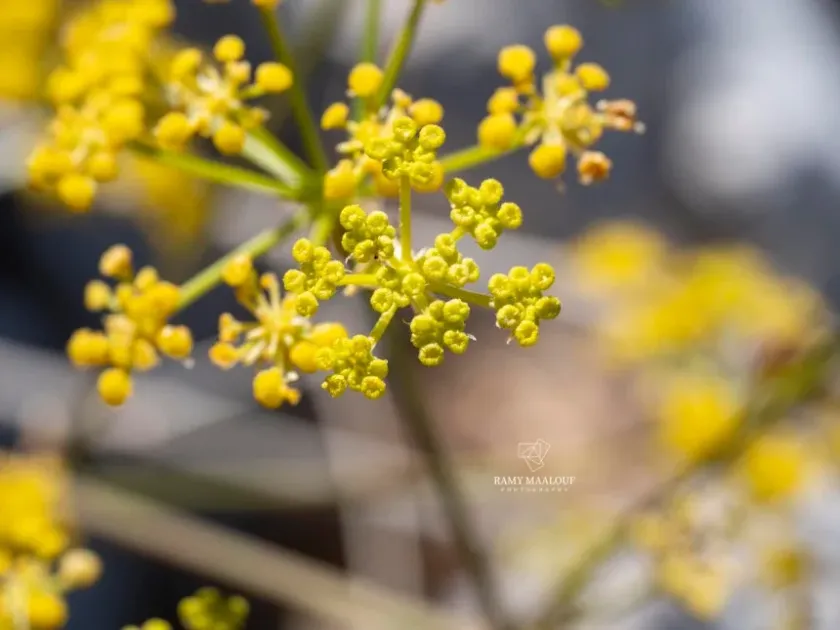
Botanically, the species is recognized by its complex, finely dissected leaves and large umbel inflorescences. Its deep taproot system is its most important adaptive feature, allowing the plant to extract moisture from deep soil layers that are inaccessible to shallower-rooted crops.
Economically, the plant is primarily studied for its secondary metabolites. It contains high concentrations of volatile oils and coumarins, which are subjects of ongoing research for potential applications in natural pesticides and pharmaceutical products.
Main diseases and pests
The main threats to the cultivation of Syrian Ferulago are fungal pathogens induced by excessive soil moisture, particularly root rot. Proper site selection and drainage management are essential to maintain crop health during the dormant or wet season.
Pests that typically affect other members of the Apiaceae family, such as aphids and various sucking insects, can pose risks to young seedlings. Integrated pest management strategies are advised to keep populations under control without damaging the delicate chemical balance of the plant.