
Farsetia stenoptera
Farsetia stenoptera
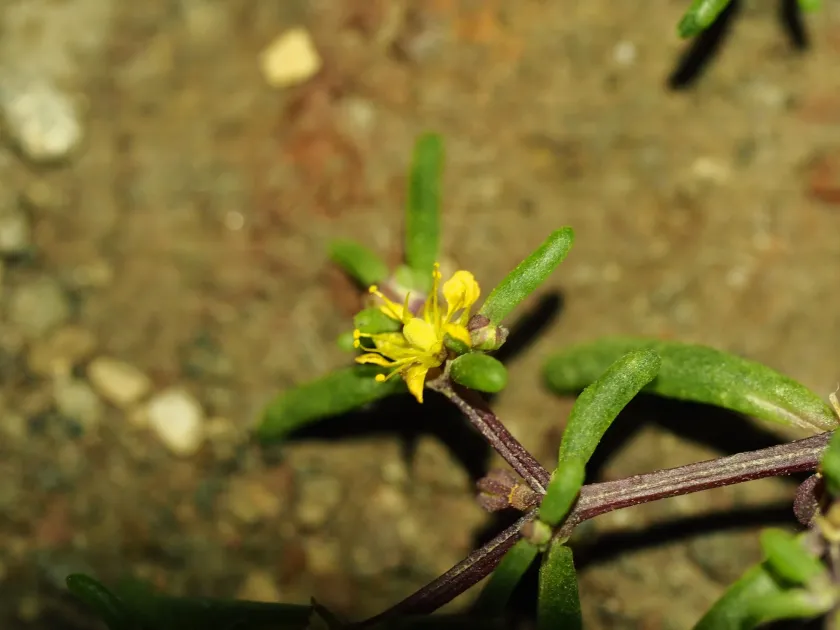
Description
Growing requirements
Farsetia stenoptera is a botanical member of the Brassicaceae family, well-adapted to arid and semi-arid environments. It is recognized for its significant drought tolerance, allowing it to thrive in regions where water availability is extremely limited.
The crop thrives in well-drained sandy or loamy soils, which are characteristic of its native desert habitats. It exhibits remarkable resistance to soil salinity, making it a viable candidate for agricultural development on marginal lands that struggle to support more demanding species.
The plant features a deep and expansive root system, which is critical for maximizing moisture uptake from deeper soil layers during prolonged dry spells. It requires intense solar radiation and high temperatures to successfully complete its life cycle.
Waterlogging is a major risk factor for this species; therefore, site selection must emphasize excellent drainage. The species performs optimally in climates where daytime temperatures are consistently warm and atmospheric humidity remains low.
Soil management for Farsetia stenoptera involves minimal intervention, as it is physiologically equipped to utilize scarce soil nutrients. Monitoring the soil pH is essential, as the plant prefers neutral to slightly alkaline environments for optimal mineral absorption.
Yield
The primary economic focus for this crop is seed production, as the seeds contain valuable oil components. This oil is of interest to industrial and pharmaceutical sectors due to its unique fatty acid profile, which differs from common vegetable oils.
The yield potential of Farsetia stenoptera is highly resilient against climate variability. Even in years with severe drought, the crop maintains a level of productivity that makes it superior to traditional crops that require consistent irrigation.
Harvesting efficiency relies on the correct timing of seed maturation to avoid pod shattering. Modern harvesting techniques, including swathing, are recommended to minimize post-harvest losses and maximize the collection of high-quality seeds.
Improving yield through modern agronomic practices involves precise nitrogen placement and the control of weed competition during the early vegetative stage. Effective management ensures that the plant allocates energy towards reproductive development rather than vegetative growth.
Biomass productivity, while secondary to seed production, contributes to the overall sustainability of the crop. Research continues to investigate how selective breeding can increase the oil content percentage in seeds and ensure earlier crop maturation.