
Farsetia aegyptia
Farsetia aegyptia
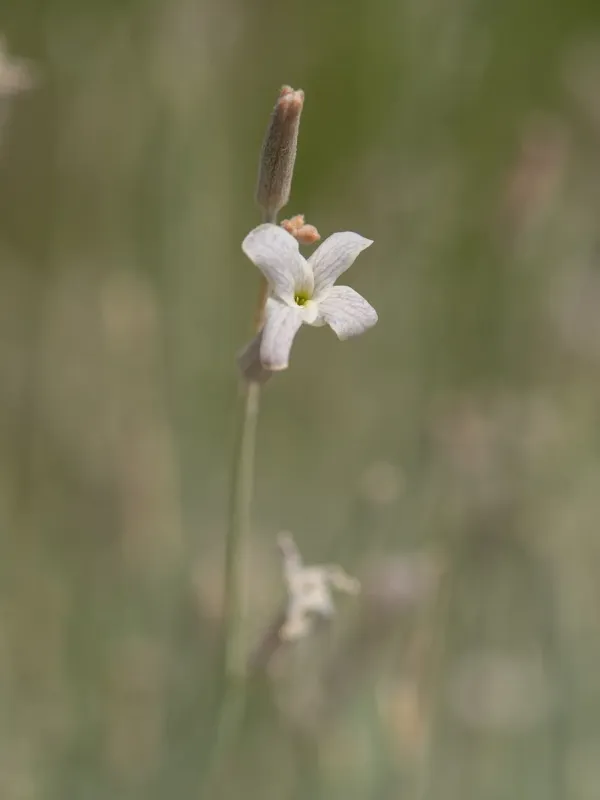
Description
Growing requirements
Farsetia aegyptia is a perennial subshrub belonging to the Brassicaceae family. It is a highly specialized plant adapted to the extreme arid environments of North Africa and the Middle East, where it thrives despite intense heat and scarcity of rainfall.
The plant exhibits remarkable xerophytic traits, including specialized leaf structures and deep root systems designed to maximize water uptake from sandy and rocky soils. These adaptations allow it to persist through long periods of meteorological drought.
Regarding soil requirements, Farsetia aegyptia demands excellent drainage. It is highly tolerant of saline and alkaline soil conditions, often performing better than conventional crops in marginal areas where soil nutrients are limited.
Climate adaptation is the plant's core strength. It is native to regions with high solar radiation and low relative humidity, making it an ideal candidate for revegetation projects in desertification-prone landscapes.
For successful growth, it requires full sun exposure and minimal competition from weeds during the establishment phase. It does not tolerate waterlogging, which often leads to root rot in otherwise hardy specimens.
Yield
The primary agricultural use of Farsetia aegyptia is as a source of rangeland forage. It provides a vital nutrient source for camels, sheep, and goats in arid zones where other vegetation often fails to survive the dry summer months.
Chemical analysis indicates that the plant contains essential minerals and crude protein, supporting livestock metabolism in harsh desert conditions. Its ability to remain green during the off-season provides a strategic advantage for nomadic pastoralism.
Beyond forage, the plant is valued for soil stabilization. Its root architecture binds shifting sands, effectively reducing wind erosion in fragile ecosystems, which serves as a form of non-monetary "yield" for environmental management.
While large-scale commercial harvesting is not yet standard practice, interest in its potential for pharmaceutical compounds or specialized oils exists. Its seed production is robust, allowing for natural reseeding in naturalized populations.
Future agricultural prospects for Farsetia aegyptia involve selective breeding to increase biomass production while maintaining its inherent drought tolerance, potentially integrating it into sustainable desert farming systems.