
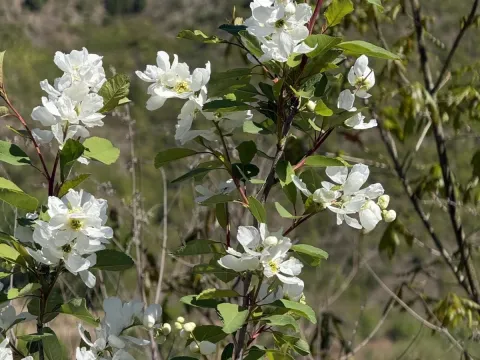
Exochorda
Exochorda
Exochorda, commonly known as the pearl bush, is a genus of deciduous ornamental shrubs belonging to the Rosaceae family. It is highly valued for its striking spring display, featuring racemes of pure white, pearl-like flowers that can completely cover the branches, creating a spectacular visual impact in any garden.
What the section contains


Exochorda
The plant is native to temperate regions of East Asia, including China, Korea, and Japan. Due to its elegant habit and floral display, it is widely utilized in landscape architecture, primarily as a specimen plant, in mixed shrub borders, or as a focal point in residential gardens and public parks.
For optimal growth, Exochorda requires a site with full sun to partial shade, sheltered from strong, drying winds. It thrives in fertile, well-drained loamy soils with a neutral to slightly acidic pH. Proper soil drainage is critical, as the roots are sensitive to waterlogging and poor soil aeration.
Cultural practices include regular irrigation during establishment and dry spells, combined with light spring fertilization to support vigorous growth. Pruning is a vital aspect of Exochorda maintenance; it should be performed immediately after the flowering period to remove spent blooms and shape the shrub.
The pearl bush is generally hardy in temperate climates. While mature specimens are quite resilient, young plants may benefit from protection during harsh winters to prevent branch dieback. Ensuring consistent soil moisture and adequate airflow around the plant helps promote longevity and floral abundance.
Exochorda is relatively resistant to major plant diseases, but it can be susceptible to chlorosis if the soil is too alkaline, which limits nutrient uptake. In poorly ventilated or overly humid conditions, powdery mildew can occasionally manifest on the foliage, impacting the plant's aesthetic value.
Common pests that may affect the shrub include aphids and spider mites, particularly during hot, dry summer months. These pests feed on sap from the tender foliage, causing yellowing, leaf curling, and overall stress to the shrub if left unmanaged during a heavy infestation.
Integrated pest management is recommended to keep these shrubs healthy. Early detection through regular monitoring of the leaf undersides is essential. If infestations reach a damaging threshold, the application of horticultural oils or appropriate systemic insecticides is advised to mitigate further injury.
Sanitation is key to preventing disease recurrence. Removing diseased or dead wood throughout the growing season reduces the habitat for fungal spores and pests. Maintaining a clear area around the base of the shrub prevents competition and improves air circulation, which naturally discourages pest buildup.
For long-term health, incorporating organic mulch around the root zone helps regulate soil temperature and moisture levels. Avoiding overhead watering during the late afternoon also helps minimize the risk of foliar diseases, ensuring that the pearl bush remains a vibrant and healthy addition to the landscape.