
Exochorda giraldii
Exochorda giraldii
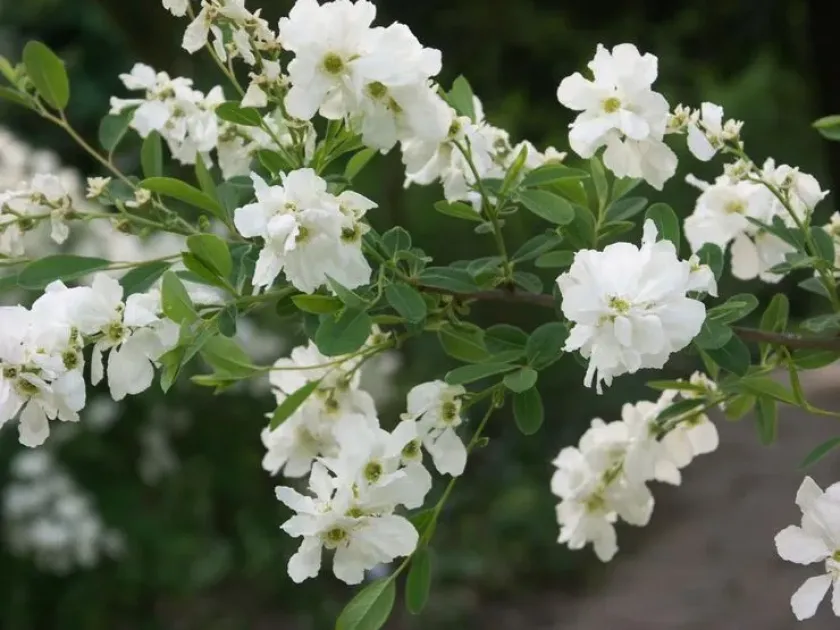
Description
Growing requirements
Exochorda giraldii is a striking deciduous shrub belonging to the Rosaceae family. Native to the mountainous regions of China, this plant is highly valued in horticulture for its spectacular, pearl-like white spring blossoms.
The culture thrives best in locations with full sun to partial shade. To ensure profuse flowering, it is essential to provide the plant with at least six hours of direct sunlight, although some afternoon shade is beneficial in hotter climates.
The shrub requires deep, fertile, and well-drained soil. It is intolerant of waterlogged conditions, so choosing a site with good natural drainage is crucial. The soil should ideally have a neutral to slightly acidic pH level.
Regarding climate, Exochorda giraldii is relatively hardy, adapting well to moderate temperate zones. While it can withstand cold winters, young plants benefit significantly from winter mulching to protect their root systems from extreme temperature drops.
Basic maintenance includes consistent watering during the growing season and periodic fertilization. Pruning is best performed immediately after the flowering period to encourage healthy new vegetative growth and maintain the desired shape.
Main diseases and pests
Exochorda giraldii is generally considered a low-maintenance shrub that shows natural resistance to many common ornamental plant diseases. However, improper site selection may lead to stress-related susceptibility.
Aphids are the primary pests that can cause damage to this species. These insects frequently colonize tender young shoots and buds, causing stunted growth and leaf curling if left uncontrolled.
Effective pest management involves early detection and the use of targeted systemic insecticides or horticultural soaps. Keeping the shrub healthy through proper feeding and watering helps it resist pest infestations more effectively.
Powdery mildew can occasionally appear in environments with poor air circulation and high humidity. Maintaining sufficient spacing between plantings is an essential cultural practice to mitigate this risk.
Nutrient deficiencies, particularly iron chlorosis, may occur in highly alkaline soils. Providing chelated iron supplements can rectify these symptoms, ensuring the foliage remains deep green throughout the active season.