
Fenzl's cherry
Prunus fenzliana
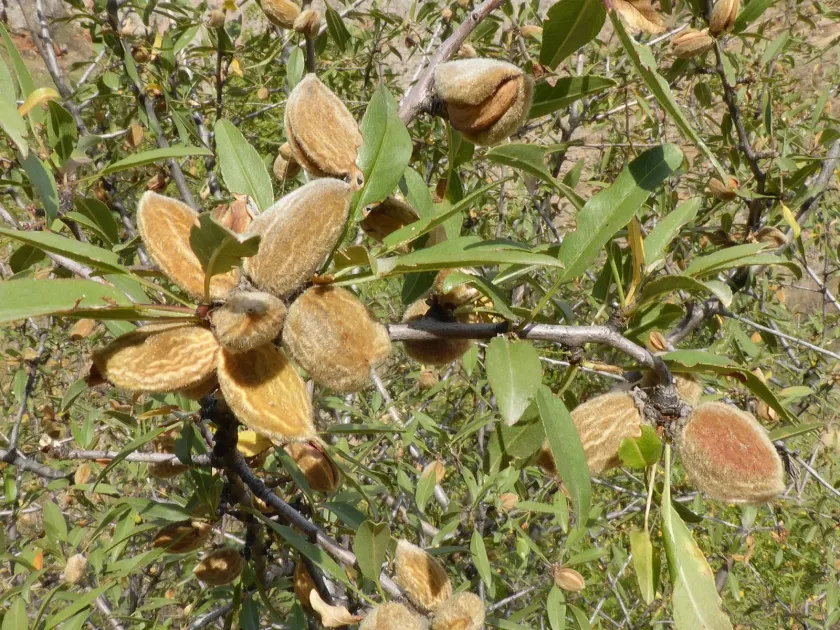
Description
Growing requirements
Fenzl's cherry (Prunus fenzliana) is a shrub species belonging to the Rosaceae family. It is native to the mountainous regions of Transcaucasia, Turkey, and Iran, where it grows in rocky terrains.
This species is highly adapted to extreme climatic conditions, including severe winters and hot, arid summers. It thrives in altitudes ranging from 1,500 to 2,500 meters, showing resilience to high-altitude radiation.
Regarding soil requirements, the plant prefers rocky, well-drained substrates. It is particularly successful in lime-rich soils, which are characteristic of its native limestone slopes in the Caucasus region.
Botanically, it typically develops as a dense shrub or a small, sprawling tree. Its leaves are small and serrated, while the small fruits serve as a food source for local fauna, although they are rarely used for mass consumption.
The main agricultural value of this species lies in its genetics. Plant breeders utilize Prunus fenzliana to develop drought-resistant rootstocks, which help cultivated cherries adapt to poor soil conditions.
Main diseases and pests
As a wild-growing species, Fenzl's cherry maintains a relatively high resistance to common pathogens. However, when cultivated in humid lowlands, it becomes susceptible to fungal infections like brown rot.
Pests such as aphids and cherry fruit flies can affect the foliage and fruit set. In wild populations, these insects rarely cause permanent damage, but in nursery settings, they require managed control.
Maintaining proper air circulation within the canopy is the primary preventive measure against fungal outbreaks. Pruning for structure is essential to prevent moisture accumulation within the shrub.
Rodents and rabbits pose a significant threat to young plants, often stripping the bark during winter months. Protecting the base of the stem with mesh or barriers is recommended in early growth stages.
Integrated pest management protocols are suitable for maintaining healthy populations. Monitoring for signs of early spring infestations allows for the targeted application of organic pest control methods.