
Pearlbush
Exochorda serratifolia
Description
Growing requirements
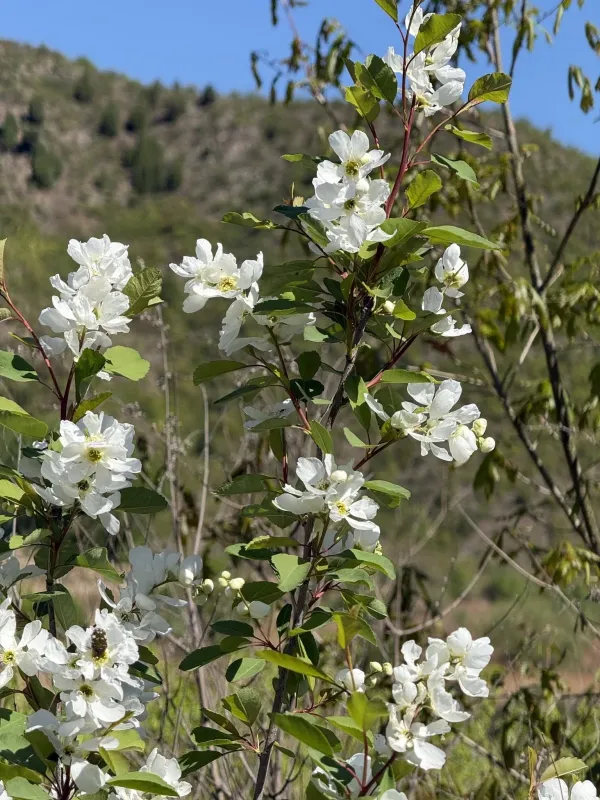
Exochorda serratifolia, commonly known as the Pearlbush, is a deciduous ornamental shrub belonging to the Rosaceae family. The species is native to the temperate forests of Northeast China and the Korean Peninsula.
For optimal growth, this plant requires a location with full sun to light partial shade. It thrives in well-drained, fertile, loamy soils that maintain moisture without becoming waterlogged, as it does not tolerate stagnant water.
The shrub is recognized for its winter hardiness, typically surviving temperatures down to -25°C. However, it benefits from being planted in a sheltered spot to protect young buds from early spring frosts that occur after the warming period.
Maintenance involves routine watering during prolonged dry spells and the application of balanced organic fertilizers in early spring. Pruning should be performed immediately after the flowering season to manage the shrub's shape and promote vigorous growth for the next year.
The primary use of the Pearlbush is in professional landscaping and ornamental gardening. It is highly valued for its striking pure white flowers and is frequently utilized as a focal point in borders or as part of mixed shrub groupings.
Main diseases and pests
Exochorda serratifolia is generally considered a low-maintenance plant with strong resistance to most common pests. However, in certain environments, it can still be subject to infestations by aphids or spider mites.
High humidity combined with poor air circulation can lead to fungal issues. Powdery mildew is the most common disease, manifesting as a dusty white coating on the foliage, which reduces the plant's aesthetic value and health.
Management of these threats involves monitoring the plant during the spring and early summer. If pests are detected, targeted applications of horticultural oils or insecticides are recommended to control population outbreaks.
To prevent fungal development, proper spacing between plants is essential. Ensuring good airflow within the canopy through selective thinning helps keep foliage dry and reduces the environment favorable for pathogen spread.
If fungal infections occur, the prompt removal and disposal of affected branches are advised. Following with systemic fungicides can protect the remaining healthy tissues and support the overall recovery of the specimen.