
Exochorda hybrids
Exochorda hybrids
Description
Growing requirements
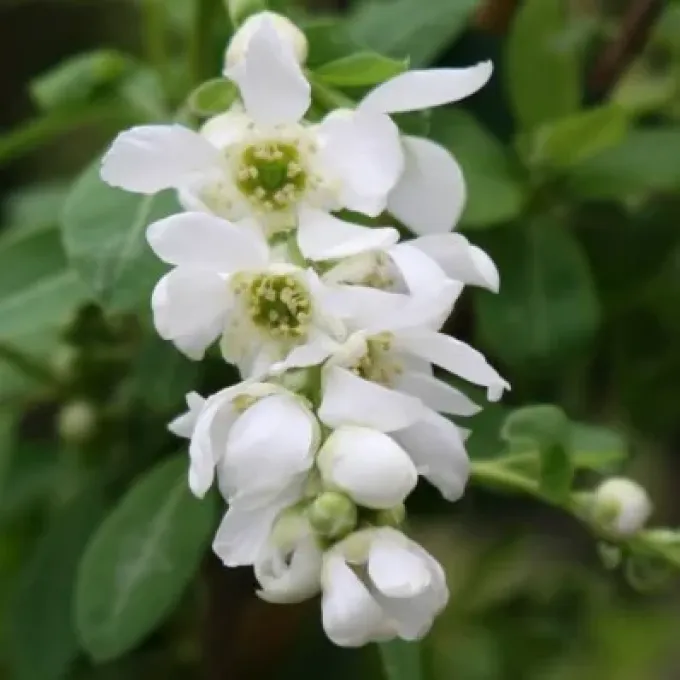
Exochorda hybrids, commonly known as pearl bush, are ornamental deciduous shrubs belonging to the Rosaceae family. These hybrids are highly valued by gardeners for their breathtaking spring display of pure white, pearl-like flowers that cover the branches entirely.
The plant thrives in locations with full sun to partial shade. While they are adaptable, a site that receives significant morning sun is ideal to promote vigorous growth and maximum flower bud set for the following spring season.
Regarding soil requirements, these shrubs prefer well-drained, fertile soil that is slightly acidic to neutral in pH. They are particularly sensitive to waterlogged conditions, which can lead to root rot; therefore, ensuring proper drainage is crucial for plant health.
Climate suitability is excellent in temperate regions, as most hybrids exhibit strong frost hardiness. However, young specimens should be protected from harsh, desiccating winter winds to ensure the survival of terminal buds during their first few years in the ground.
Maintenance involves routine watering during prolonged dry spells and a post-flowering pruning session. Cutting back the stems that have flowered helps maintain a neat, balanced structure and encourages the development of new, flowering wood for the upcoming year.
Main diseases and pests
Exochorda hybrids generally enjoy good resistance to major diseases, although poor air circulation can occasionally lead to powdery mildew. Ensuring adequate spacing between shrubs is the most effective preventative measure against fungal infections.
Aphids are the most common pest, frequently targeting the tender new growth and developing flower buds during late spring. Early detection is key, as infestations can cause leaf curling and reduce the aesthetic appeal of the shrub.
In case of pest outbreaks, applications of standard insecticidal soaps or systemic insecticides are highly effective. It is recommended to apply treatments early in the morning or late in the evening to avoid harming beneficial pollinators.
Root-dwelling pests such as vine weevil larvae are rare but can cause significant damage if left unchecked. Maintaining a healthy soil structure through organic mulching helps promote vigorous growth, which often allows the plant to outgrow minor pest pressures.
Overall, keeping the plant well-fed and appropriately hydrated is the best defense against environmental stress and subsequent attacks by secondary pathogens or pests.