
Euryops euryopoides
Euryops euryopoides (DC.) B. Nord.
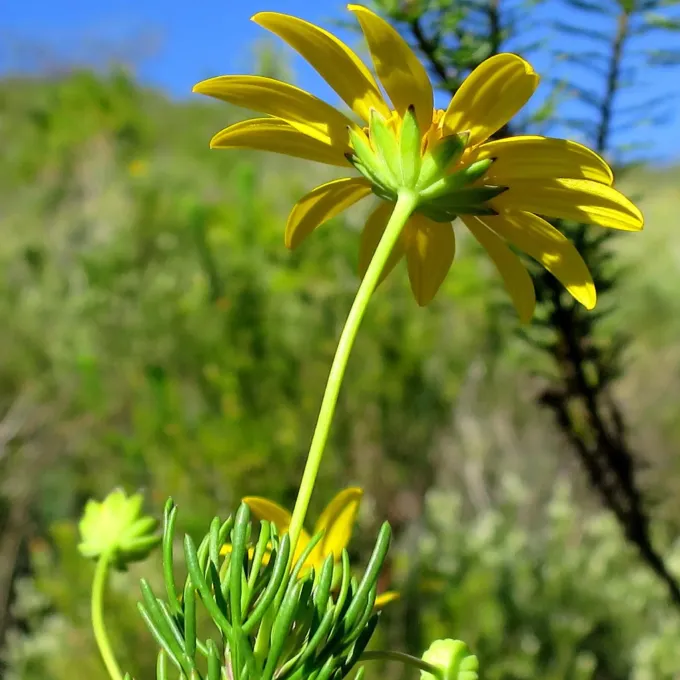
Description
Sowing dates
Euryops euryopoides is propagated primarily through seed sowing or stem cuttings. Seeds should be sown in a sterile, well-draining seed-starting mix during late winter, maintaining a consistent temperature of approximately 20 degrees Celsius to ensure successful germination.
High levels of humidity are essential during the initial phase of development. Once the seedlings have reached the two-leaf stage, they must be pricked out into individual containers to ensure sufficient space for root system expansion.
Cuttings are a more efficient method for maintaining consistent plant quality. Softwood cuttings should be taken during the summer months, treated with rooting hormone, and placed in a humid environment until roots are established.
Young plants should be transplanted into the outdoor garden only when the danger of frost has passed completely. Proper hardening off is necessary to prevent transplant shock, which can stunt the growth of young shrubs significantly.
When transplanting into the ground, space the plants at least 50 to 60 centimeters apart. Proper spacing is critical to ensure adequate air circulation and to minimize the risk of competitive stress between developing specimens.
Growing requirements
Euryops euryopoides is a member of the Asteraceae family and is native to the arid environments of South Africa. As a heat-loving species, it requires full sun exposure to flourish and maintain its structural integrity and bloom intensity.
The ideal soil for this crop is light, sandy, and porous. Providing excellent drainage is the most critical factor in its management, as stagnant water will lead to rapid root rot and the death of the plant within a very short timeframe.
While the plant exhibits moderate drought tolerance once established, it requires regular irrigation during the peak growing season. Allow the soil surface to dry slightly between waterings to prevent the development of root-borne pathogens.
Climatic requirements involve stable temperatures, as this plant is not frost-hardy. In temperate regions, it is advisable to cultivate the plant in containers so that it can be overwintered in a greenhouse or a climate-controlled conservatory.
Structural maintenance through pruning is essential for a compact appearance. By removing spent blooms and trimming back long branches, the gardener can encourage bushier growth and significantly extend the flowering period throughout the season.
Main diseases and pests
Fungal diseases, specifically root rot, pose the most significant threat to Euryops euryopoides. This condition is primarily linked to poor soil drainage and excessive moisture levels, often occurring during rainy seasons or due to improper irrigation practices.
Aphids are a common pest that target the succulent new growth and developing flower buds. Early detection is key; manual removal or the application of insecticidal soaps is usually sufficient to control smaller populations.
Spider mites can become a problematic issue in conditions of low humidity and high heat. These pests cause chlorotic spots on the leaves, leading to leaf drop and a general decline in the plant's overall health and aesthetic appeal.
Powdery mildew may manifest as a white dusty coating on the leaves during periods of cool, humid weather with poor air circulation. Regular fungicide applications and adequate thinning of the foliage can help manage this condition effectively.
Root-knot nematodes can severely inhibit nutrient uptake, causing stunted growth and yellowing of the foliage. Avoiding contaminated soil sources and maintaining overall plant vigor are the most effective strategies for preventing nematode infestation.