
Euryops chrysanthemoides
Euryops chrysanthemoides (DC.) B. Nord.
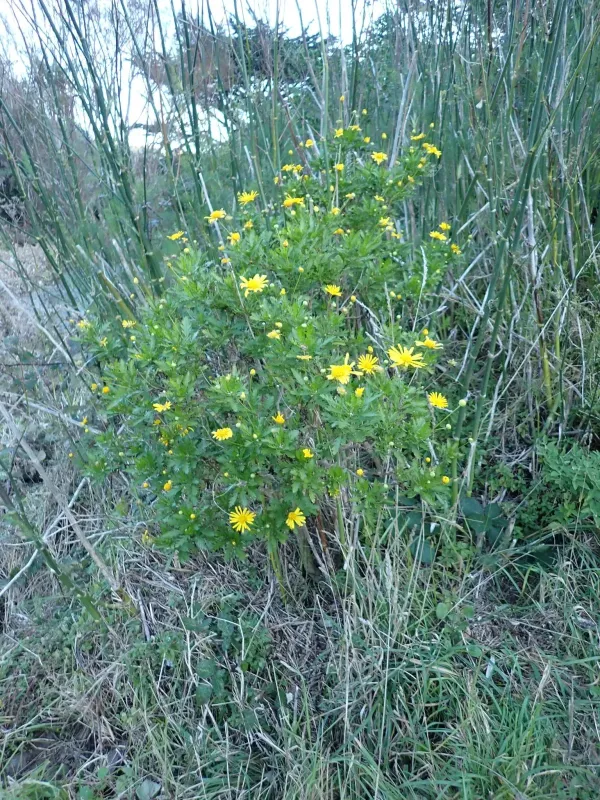
Description
Growing requirements
Euryops chrysanthemoides, commonly known as the African bush daisy, belongs to the Asteraceae family. Originating from South Africa, this evergreen shrub is widely recognized for its vibrant yellow flowers and deeply lobed foliage that adds texture to any landscape.
Botanically, it is a perennial sub-shrub that can reach a significant height if left unpruned. Its natural habitat includes open grasslands and rocky slopes, indicating its preference for well-draining soils and stable light conditions.
In terms of climate, Euryops thrives in Mediterranean-like conditions. It requires full sun exposure to produce the best flowering results and to maintain its compact, dense growth habit. While it is hardy in warmer climates, it cannot withstand prolonged freezing temperatures.
The soil requirements for this crop are relatively straightforward: it prefers fertile, slightly acidic to neutral soil. Drainage is the most critical factor; the root system is sensitive to waterlogging, which often leads to rapid decay in container or garden settings.
Agrotechnical practices involve regular pruning to stimulate new flowering cycles. Watering should be deep but infrequent, allowing the top layer of soil to dry out between sessions. Feeding with a balanced fertilizer during the spring growth phase encourages vigorous development.
Main diseases and pests
Aphids are a frequent concern for Euryops, often targeting tender new growth and developing flower buds. These insects weaken the plant by feeding on sap, and their presence can lead to the formation of sooty mold if not treated promptly.
Spider mites can become a significant issue, particularly in hot and dry environments. These pests cause yellowing and stippling of the leaves, eventually leading to premature defoliation if left unchecked.
Root rot is the most common pathology associated with improper moisture management. It is often caused by fungi such as Phytophthora or Pythium, which thrive in soggy conditions, necessitating strict control over watering and soil aeration.
Powdery mildew may manifest as a dusty white substance on the leaves, usually appearing during periods of high humidity and poor air circulation. Improving spacing between plants is crucial for managing this fungal infection.
Whiteflies can also colonize the underside of the leaves, interfering with photosynthesis. Horticultural oils and insecticidal soaps are usually effective in managing these outbreaks without harming the beneficial insect population.