
Eucryphia moorei
Eucryphia moorei
Description
Growing requirements
Eucryphia moorei, commonly known as Pinkwood, is an evergreen tree or large shrub belonging to the Cunoniaceae family. It is native to the temperate rainforests of New South Wales and Victoria, Australia, where it thrives in cool, shaded forest environments.
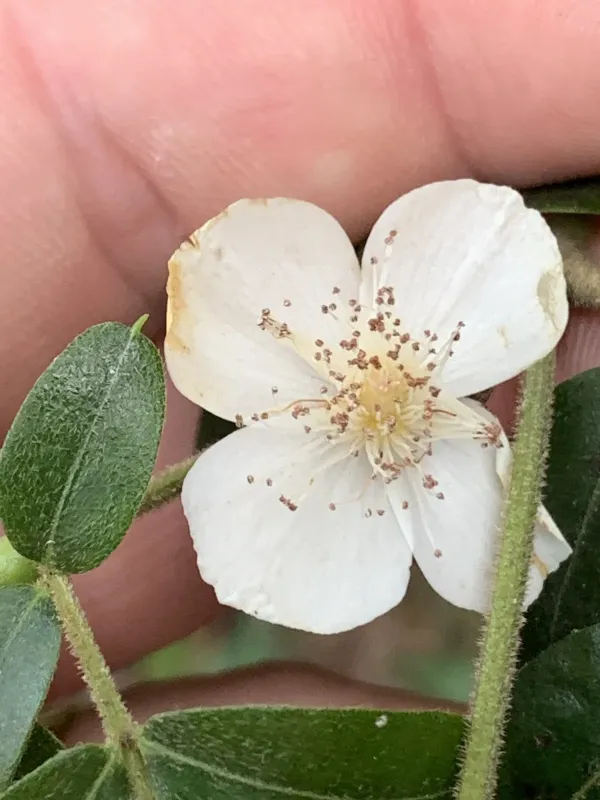
Botanically, the species is characterized by its pinnate, glossy leaves and delicate, four-petaled white flowers. These flowers, which appear in late summer, have a distinct fragrance and are highly attractive to native bees and other pollinators.
The cultivation of Eucryphia moorei requires a cool and humid climate. It does not tolerate prolonged exposure to hot, drying winds or intense direct sunlight. A site with dappled shade, sheltered from harsh weather, is ideal for long-term health.
Soil requirements are quite specific: the plant demands deep, moisture-retentive, and acidic soils rich in organic matter. Good drainage is non-negotiable, as the roots are highly susceptible to rot if water is allowed to stagnate in the substrate.
In landscaping, this species is used as a high-value ornamental plant. It is frequently planted in botanic gardens and sheltered private gardens where its architectural form and summer display of flowers can be showcased effectively.
Main diseases and pests
The primary threats to Eucryphia moorei include root rot diseases caused by soil-borne fungi. These conditions are almost always precipitated by overwatering or poorly drained planting sites that lack sufficient aeration.
Pest issues usually involve sap-sucking insects like aphids, which tend to infest tender new growth. In greenhouse settings, spider mites can become an issue if humidity levels are not maintained within the appropriate range.
Management of these threats is largely preventative. Maintaining optimal soil moisture and ensuring proper air circulation are the most effective ways to discourage fungal pathogens and insect colonization.
Pruning should be performed only when necessary to remove dead or diseased wood. This practice maintains the plant's structural integrity and prevents the spread of pathogens that thrive in decaying matter.
If chemical treatments become necessary, they should be applied with caution as the plant may be sensitive to synthetic pesticides. Integrated pest management practices are recommended to preserve the local pollinator population.