
Eucryphia millegrani
Eucryphia millegrani
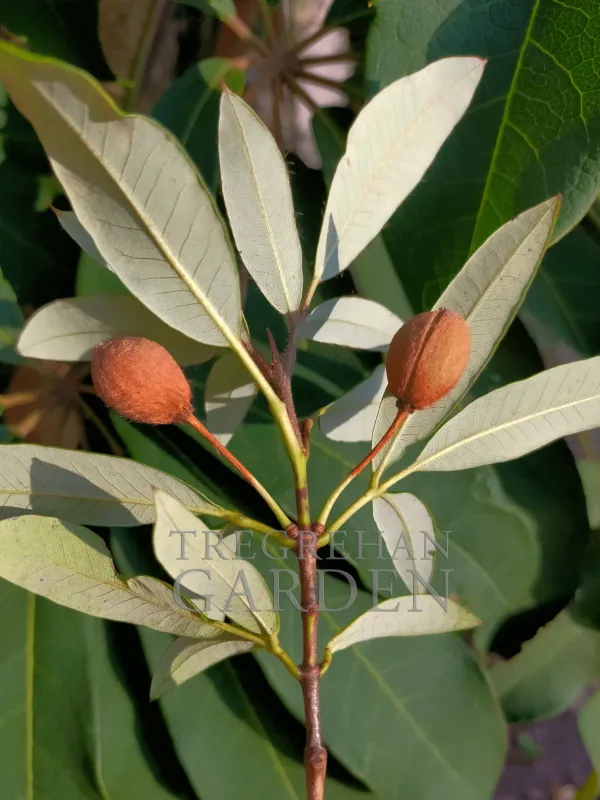
Description
Sowing dates
Propagating Eucryphia millegrani is typically achieved through semi-hardwood cuttings, as seed germination can be erratic and difficult to manage.
Cuttings should be taken in late summer, utilizing a rooting hormone to encourage root development and planting them in a well-aerated sandy medium.
For those opting for seeds, a cold stratification process is necessary, usually requiring several weeks in a refrigerated environment to break dormancy.
Sowing should take place in controlled greenhouse conditions, ensuring a stable temperature that supports slow-growing seedlings through their first months.
Maintaining high humidity around the cuttings is vital for success, often achieved through misting or using a protective plastic covering until roots form.
Growing requirements
Eucryphia millegrani is a member of the Cunoniaceae family, known for its elegant evergreen foliage and distinctive white flowers that bloom in clusters.
The plant thrives in cool, temperate climates and requires a sheltered location with partial shade to protect it from extreme midday sun exposure.
Soil requirements are quite specific: it demands acidic to neutral soil that is rich in organic matter and maintains consistent moisture levels year-round.
It does not tolerate drought well, so consistent irrigation is necessary, especially during the establishment phase and periods of limited rainfall.
Due to its susceptibility to harsh frosts in colder climates, it is often best suited for sheltered coastal gardens or as a conservatory plant.
Yield
In agricultural and horticultural sectors, Eucryphia millegrani is primarily valued for its significant ornamental use in landscape design and public parks.
Its late-season flowering makes it an exceptional plant for supporting pollinators, particularly bees, when other nectar sources are becoming scarce.
The plant is not mass-produced for food or timber, but it holds economic value in the niche market of specialized nurseries and botanical collections.
Yield in a professional nursery context is measured by the quality of the specimens, including dense branching, vibrant health, and root system robustness.
Regular maintenance, including light pruning to shape the canopy, can improve the visual appeal and long-term vitality of the individual specimens.
Main diseases and pests
Root rot, caused by Phytophthora species or other soil-borne fungi, remains the primary threat, typically arising from poor drainage or waterlogged soil.
Aphid infestations on young, tender growth can stunt development and often lead to the growth of sooty mold if not treated promptly with insecticidal soap.
Scale insects present another challenge, as they can weaken the plant by feeding on the sap, requiring mechanical removal or targeted pesticide treatments.
Environmental stress, such as exposure to hot, drying winds, can lead to leaf scorch, making the plant more susceptible to secondary pest attacks.
Effective management involves consistent monitoring and the application of integrated pest management strategies to maintain plant vigor throughout the season.