
Eucryphia hybrid
Eucryphia hybrida
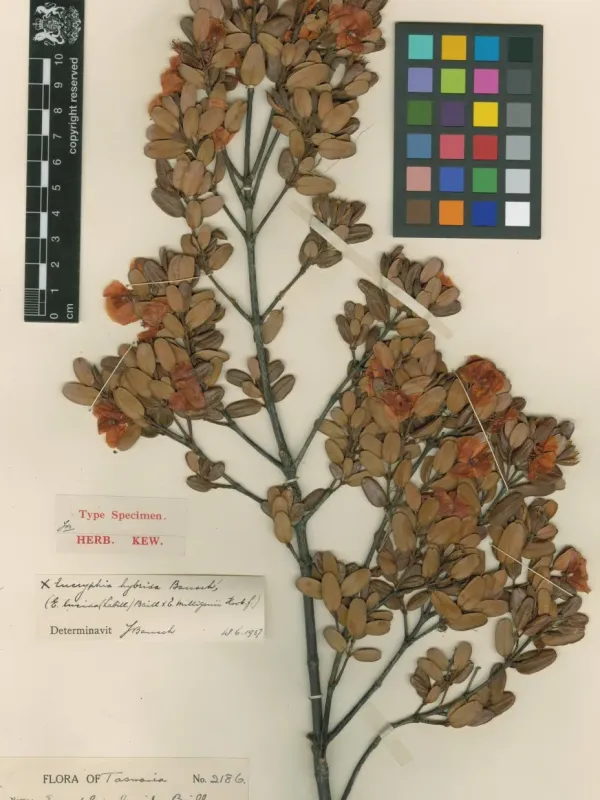
Description
Growing requirements
The Eucryphia hybrid (Eucryphia × nymansensis) is a distinguished ornamental shrub belonging to the Cunoniaceae family. It is a cross-breed, typically derived from E. cordifolia and E. glutinosa, developed to exhibit superior hardiness and aesthetic qualities compared to its parent species.
This shrub flourishes in temperate maritime climates where it can benefit from high atmospheric humidity and protection from harsh, drying winds. It requires a sheltered position to thrive and typically performs best when planted against a south or west-facing wall in cooler regions.
Regarding soil, Eucryphia prefers fertile, well-draining, and moisture-retentive substrate. The soil should be slightly acidic to neutral in pH. Implementing a deep layer of organic mulch around the root zone is highly recommended to keep roots cool and maintain consistent soil moisture levels throughout the summer.
The plant thrives in partial shade or dappled sunlight. While it can tolerate more exposure in coastal areas with cool summers, it generally dislikes intense heat, which necessitates a strategic planting location that offers shade during the hottest hours of the day.
Economically and horticulturally, this plant is a prized specimen for large gardens and arboretums. Its ability to produce masses of white, honey-scented flowers in late summer makes it an essential asset for extending the flowering season in diverse landscape designs.
Main diseases and pests
Common health issues often stem from poor drainage, which can lead to Phytophthora root rot. Ensuring the planting site has excellent drainage is the most effective preventative measure against such diseases.
Pests such as scale insects and aphids may occasionally attack the plant, particularly in sheltered or poorly ventilated locations, leading to stunted growth and the accumulation of sooty mold.
Winter desiccation is a significant threat, especially for younger plants. Even in mild climates, unexpected hard frosts coupled with drying winds can cause severe browning of the evergreen foliage.
Mechanical damage from severe weather can weaken the plant’s structure, making it susceptible to opportunistic infections. Regular light pruning helps in maintaining a strong and balanced canopy.
Overall plant vitality is best maintained through consistent monitoring, proper fertilization during the active growing season, and protection against extreme environmental stressors.