
Etlingera venusta
Etlingera venusta
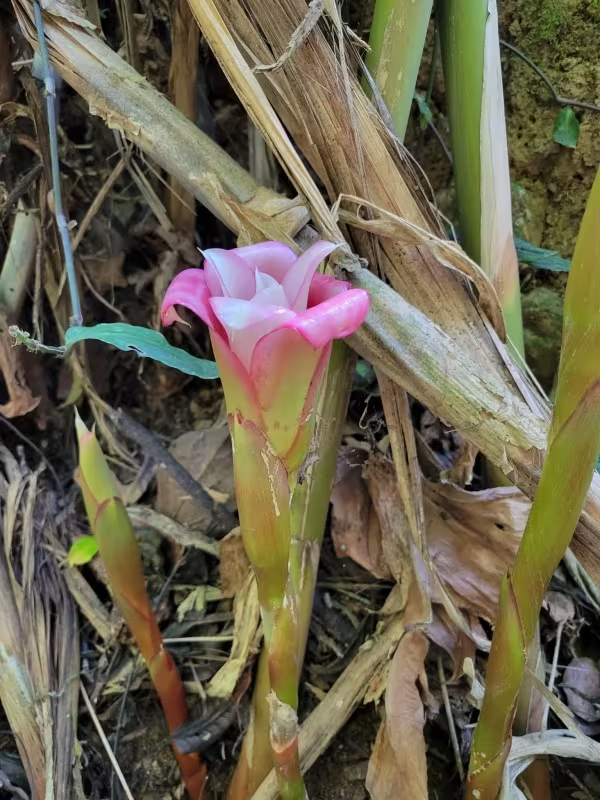
Description
Growing requirements
Etlingera venusta is a perennial herbaceous species belonging to the ginger family (Zingiberaceae). Native to the tropical rainforests of Southeast Asia, this plant requires specific environmental conditions to thrive in cultivation.
The ideal climate for this culture is characterized by stable, high temperatures throughout the year. It does not tolerate cold drafts or temperatures falling below 20°C, making it suitable mainly for greenhouse environments in temperate zones.
The plant requires deep, well-draining soil rich in organic matter. A slightly acidic to neutral pH is optimal for nutrient uptake, and the substrate should be kept consistently moist but never waterlogged to prevent root rot.
High relative humidity is essential for the healthy development of Etlingera venusta. Regular misting or the use of automated fogging systems is recommended in professional growing setups to simulate the natural tropical habitat.
While the plant requires sufficient light for metabolic processes, it is shade-tolerant and sensitive to intense direct sunlight. Filtered or indirect light is preferred to maintain the vibrant color and integrity of the foliage.
Harvesting
Etlingera venusta is primarily cultivated for its high-value ornamental inflorescences. These unique flowers are highly sought after in the international floral industry for luxury arrangements and architectural botanical displays.
Harvesting is typically performed during the early stages of blooming. Using sterile sharp shears is critical to ensure clean cuts and prevent the introduction of pathogens into the vascular system of the mother plant.
Post-harvest handling requires immediate hydration of the harvested stems. The longevity of the cut flowers depends on maintaining a cool environment and ensuring the water quality remains pristine throughout the distribution process.
Beyond its ornamental appeal, some members of the genus are utilized in traditional regional cooking. The rhizomes and young shoots are harvested for their aromatic properties, adding a distinctive flavor profile to various dishes.
Maintenance after harvest is crucial for sustained yield. Removing old or damaged floral stalks allows the plant to redirect its energy reserves into producing new vegetative growth and subsequent flowering cycles in the following year.