
Torch ginger
Etlingera elatior
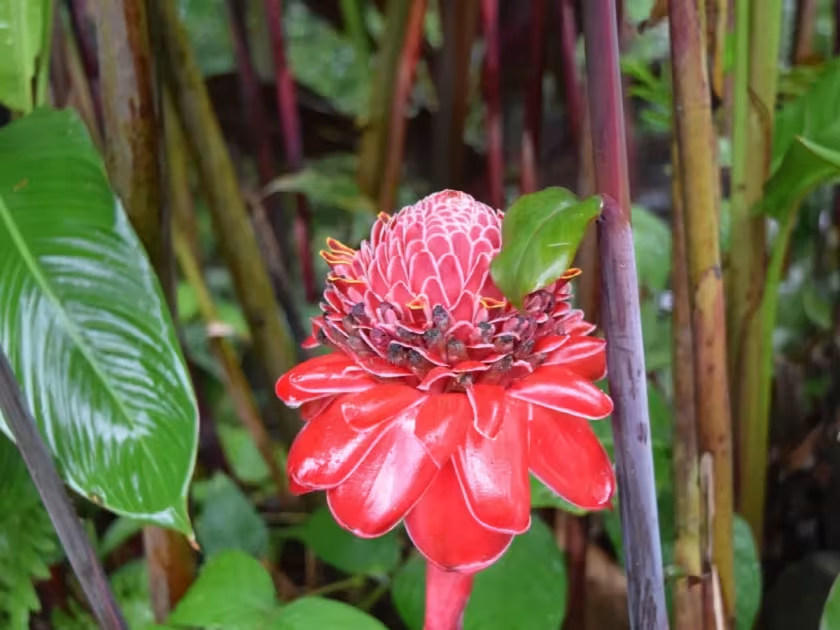
Description
Sowing dates
Torch ginger (Etlingera elatior) is primarily propagated through the division of rhizomes. For commercial production, this method is preferred as it ensures genetic consistency and provides the fastest establishment of healthy plants in the field.
Propagation by seeds is possible but less common, as the seeds have a very short viability period. Fresh seeds must be sown immediately into a loose, well-draining media and kept at a constant temperature of 25–30°C to ensure successful germination.
The ideal planting time coincides with the start of the rainy season, which provides the necessary moisture for root development. Growers should avoid planting too deeply to prevent rot, placing rhizomes just below the soil surface to allow for proper sprouting.
Field selection is crucial; sites with gentle slopes are ideal as they facilitate drainage and prevent waterlogging, which is a major threat to ginger species. The soil should be high in organic matter and slightly acidic to neutral for optimal nutrient uptake.
After planting, young plants require shade to minimize heat stress. Using shade nets is a common agricultural practice to protect the plants from harsh, direct sunlight during their initial growth stages, ensuring steady development.
Growing requirements
As a tropical plant, Torch ginger requires a climate without frost or extreme temperature fluctuations. The optimal temperature range for consistent growth is between 22°C and 30°C, combined with high atmospheric humidity levels throughout the year.
The soil must be rich in humus, fertile, and maintain excellent drainage. If the soil is too clay-heavy, it should be amended with organic compost and sand to increase porosity and ensure the root system stays healthy and aerated.
Water requirements are high, especially during the active growth phase and when flower buds are forming. Implementing drip irrigation systems is highly recommended to maintain a consistent moisture level without wetting the foliage, which reduces the risk of fungal infections.
Filtered sunlight is necessary for the best results; direct exposure can scorch the leaves and fade the vibrant colors of the inflorescences. Farmers often use 30–50% shade cloths in greenhouses or open fields to optimize light intensity.
Regular fertilization with a balanced NPK fertilizer, supplemented with micro-nutrients like magnesium and iron, is essential. During the floral initiation stage, increasing the phosphorus ratio encourages the production of larger, more durable torch-like flowers.
Yield
Yield for Torch ginger is measured by the number of marketable inflorescences harvested per plant. Well-maintained mature bushes can produce 10 to 15 flower stalks per season under intensive management protocols.
The productivity is heavily dependent on the plant's age and the density of the bush. Pruning older, non-productive stems annually is a standard practice to allow young, vigorous shoots to dominate, which directly translates into higher yields of premium-quality stems.
Commercial utilization focuses on the cut flower market, where the striking appearance and long vase life of the flowers command high prices. Additionally, the plant is harvested in some cultures for its edible shoots and inflorescence buds used in local cuisine.
To sustain yields, farmers perform rejuvenation of the plantation every few years by thinning the dense rhizome mats. This ensures that the soil nutrients are not depleted and that each plant receives adequate light and air circulation.
Successful management allows for a predictable harvest schedule. By controlling the environment and utilizing professional nursery techniques, growers can achieve higher economic returns and supply the flower industry with a steady stream of exotic blooms.
Main diseases and pests
Fungal diseases, particularly rhizome and root rots caused by Fusarium species, pose a significant threat, especially in waterlogged conditions. Proper field drainage and using clean planting stock are the best preventive measures against these pathogens.
Common pests such as spider mites, aphids, and thrips often feed on the tender tissues of the flower buds and young leaves. Integrated Pest Management (IPM) using biological controls or mild systemic insecticides helps maintain plant health without compromising flower quality.
Root-knot nematodes can severely limit plant vigor and lead to stunted growth. Farmers often implement soil solarization or use nematode-resistant varieties to mitigate this issue before establishing new sections of the farm.
Snails and slugs can cause physical damage to developing shoots during wet periods. Using physical barriers or baiting near the base of the plants is effective for managing these pests without the need for intensive chemical spraying.
Regular scouting and early detection are vital. Removing infected plants or pruning diseased parts immediately helps to contain outbreaks and keeps the plantation productive, significantly reducing the risk of widespread infection.
Harvesting
Harvesting should occur in the early morning when the plant tissue is fully turgid. This significantly improves the post-harvest shelf life of the flowers, ensuring they stay fresh and vibrant for the end consumer.
The timing of the harvest is critical; the best quality is achieved when the outer bracts are fully opened but the central florets remain tight. This stage ensures that the flower will look its best and last as long as possible in a vase.
Stems should be cut cleanly with sanitized tools to prevent bacterial entry. Immediately after cutting, the stems are placed into clean water containers to prevent air embolism in the xylem vessels, which could lead to rapid wilting.
Sorting by stem length and floral head size is standard practice. Any stems with mechanical damage or signs of pests are culled on-site to maintain a high-quality product standard, which is essential for reaching premium market segments.
Packaging involves careful wrapping of the floral heads and securing the stems to prevent movement. Keeping the harvested flowers in a cool, dark environment until dispatch is crucial for maintaining the quality and extending the life of the product.