
Etlingera littoralis
Etlingera littoralis
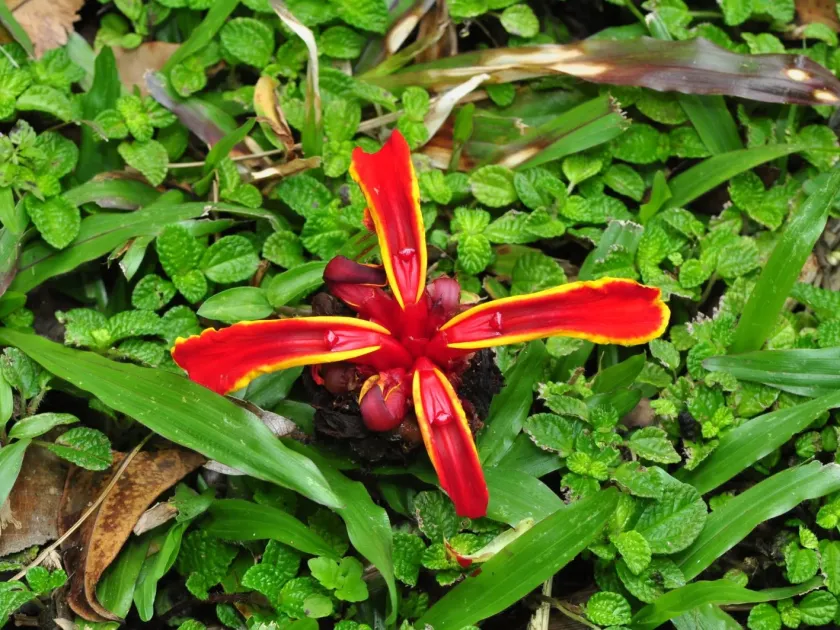
Description
Sowing dates
Propagation of Etlingera littoralis is predominantly vegetative, involving the division of healthy, mature rhizomes to ensure genetic consistency.
The best time for planting is at the beginning of the rainy season, allowing the root system to establish itself before the peak heat.
Seed propagation is possible but difficult, as seeds must be extremely fresh; they are sown in a light, sterile medium at constant high temperatures.
When sowing, seeds should be covered only slightly with substrate, as they require light and humidity to break dormancy effectively.
Proper spacing is essential to prevent overcrowding, as mature clumps can span over a meter in diameter within a few years of growth.
Growing requirements
Etlingera littoralis belongs to the Zingiberaceae family and thrives in tropical environments with consistent rainfall and warm temperatures.
The plant requires filtered sunlight or partial shade; direct tropical sun can cause severe leaf scorching and reduce overall plant vigor.
Soil must be rich in organic matter and possess excellent drainage characteristics to prevent root rot in this water-loving species.
High relative humidity is necessary for the development of healthy foliage and the initiation of the unique, showy inflorescences.
Temperature control is vital, as the plant does not tolerate cold drafts or temperatures consistently falling below 18°C.
Yield
The yield of Etlingera littoralis is evaluated based on the production of both floral parts and vegetative rhizome mass for medicinal use.
Under optimal tropical conditions, a healthy clump can produce multiple floral spikes throughout the active growing season.
Strategic nutrient management, focusing on organic mulch and compost, significantly increases the biomass produced per square meter.
Commercial harvesting of the rhizomes is usually performed every few years when the clump has reached sufficient density.
The productivity is directly linked to water availability; consistent irrigation during dry spells maintains a high rate of shoot development.
Main diseases and pests
Common pests include spider mites and mealybugs, which are particularly problematic in greenhouse environments or during periods of low humidity.
Root rot caused by fungal pathogens is the most frequent disease, occurring in poorly drained soils or during periods of excessive rainfall.
Leaf spot diseases can occur if air circulation is inadequate, leading to excessive leaf surface moisture and bacterial colonization.
Regular sanitation of the growing area, including the removal of dead leaves, is essential to minimize the risk of pest infestations.
Using horticultural soaps or neem oil is often sufficient for managing minor pest outbreaks without harming the plant's delicate tissues.
Harvesting
Flower harvest should occur when the inflorescence is fully formed but before the individual bracts begin to dry or lose their vibrant color.
Rhizomes are harvested by carefully digging around the clump to extract the desired portions without damaging the main growing crown.
Post-harvest handling involves cleaning the plant parts to remove debris and drying them in a well-ventilated space if intended for storage.
If harvesting for culinary purposes, the young shoots and flowers should be used or processed immediately to maintain freshness and aroma.
Proper record-keeping of harvest yields helps in adjusting fertilization and irrigation schedules for the subsequent growing season.