
Etlingera linguiformis
Etlingera linguiformis
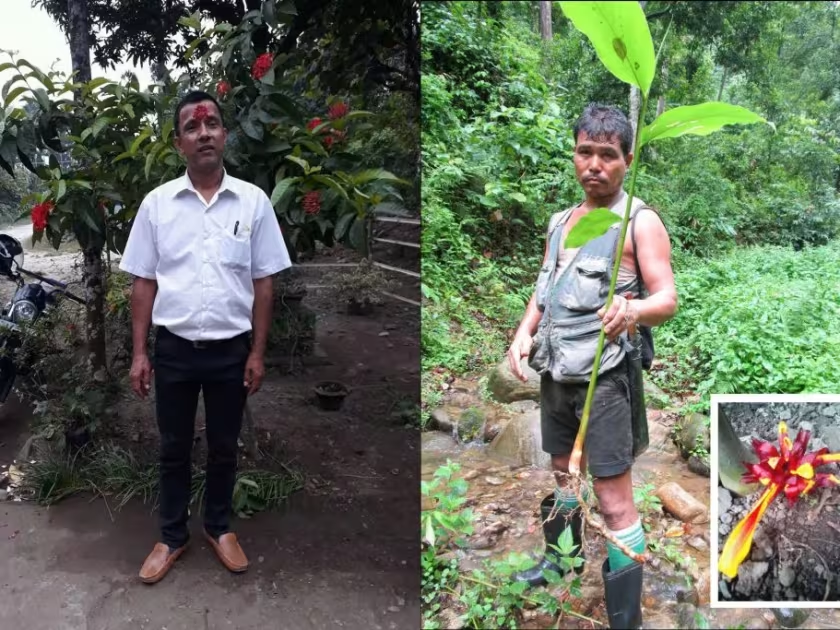
Description
Growing requirements
Etlingera linguiformis is a distinctive perennial rhizomatous plant belonging to the Zingiberaceae family. It is recognized for its unique floral architecture, where the inflorescences emerge directly from the ground level near the rhizome.
Native to the humid tropical regions of Southeast Asia, the plant thrives in environments characterized by constant high humidity and consistent warmth. Successful commercial cultivation requires mimicking these specific environmental conditions.
Soil requirements involve a rich, organic-based substrate with excellent drainage capabilities. The plant's root system is sensitive to waterlogging, which necessitates careful soil management and the implementation of effective irrigation systems in professional nursery settings.
Regarding climate, Etlingera linguiformis requires temperatures within the 22°C to 28°C range. Exposure to cold temperatures or frost is lethal to the plant, making greenhouse cultivation the only viable option in non-tropical climatic zones.
Maintenance involves frequent application of fertilizers and regular monitoring of soil moisture levels. Providing a light shade environment is essential to prevent leaf damage and ensure the plant achieves its maximum growth potential throughout the season.
Main diseases and pests
The main threats to this crop include fungal infections resulting from excessive soil moisture and poor ventilation within the greenhouse. Root rot is a common issue that must be managed through strict irrigation schedules and the use of fungicides when necessary.
Pests such as spider mites and aphids can infest the lush foliage if humidity levels are not properly managed. Implementing integrated pest management strategies is crucial for sustaining healthy plant populations and preventing yield loss.
Harvesting
Harvesting usually involves the selective cutting of mature inflorescences once they reach optimal decorative development. The process must be performed carefully to ensure that the rhizome remains intact, allowing the plant to produce future growth cycles.
Post-harvest handling is critical for maintaining the shelf life of the flowers. Proper storage involves placing the stems in high-quality hydration solutions and maintaining a cool, humid environment during logistics and transportation.