
Etlingera coccinea
Etlingera coccinea
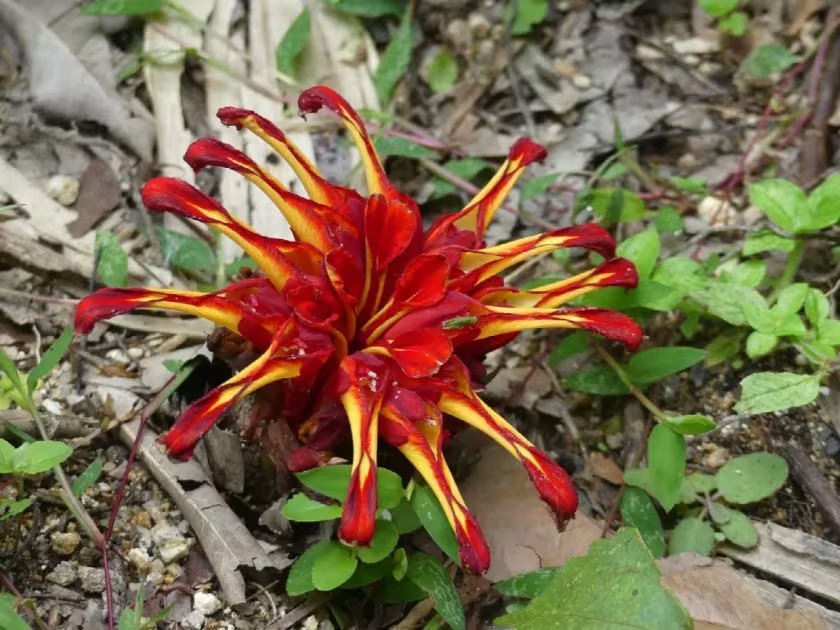
Description
Growing requirements
Etlingera coccinea belongs to the Zingiberaceae (ginger) family and is widely recognized for its striking, large inflorescences and lush foliage. This perennial rhizomatous herb is a prominent feature in tropical landscapes and specialized nurseries.
Originating from the tropical rainforests of Southeast Asia, specifically regions like Malaysia and Indonesia, the plant thrives in habitats characterized by high rainfall and humidity levels throughout the year.
Cultivation requirements involve maintaining a warm, frost-free environment with temperatures ideally ranging between 22 and 28 degrees Celsius. The soil must be nutrient-dense, well-draining, and rich in organic matter to mimic forest floor conditions.
Light management is crucial, as the plant prefers partial shade. Excessive direct sunlight can scorch the wide leaves, whereas insufficient light will significantly hinder the development of the reproductive stalks.
In addition to ornamental horticulture, various parts of the plant, particularly the young shoots and flowers, are traditionally used in local cuisines for their unique aromatic and spicy flavor profile.
Main diseases and pests
The primary threats to Etlingera coccinea are fungal infections caused by waterlogged soil, which leads to rhizome rot and vascular wilting in poorly managed greenhouse environments.
Pests such as spider mites and scale insects often pose a threat when the plant is kept under suboptimal humidity levels, necessitating constant environmental monitoring.
Regular sanitation of the growing area is essential. Removing decayed leaf litter and ensuring adequate air circulation helps reduce the prevalence of fungal spores and pest breeding sites.
Chemical control should be applied sparingly, focusing on systemic fungicides if rot is detected early, while ensuring that culinary parts of the plant are not treated with prohibited substances.
Proactive management of the substrate pH and regular soil amendments are key strategies in building plant resistance against common tropical fungal pathogens.