
Erucaria microcarpa
Erucaria microcarpa
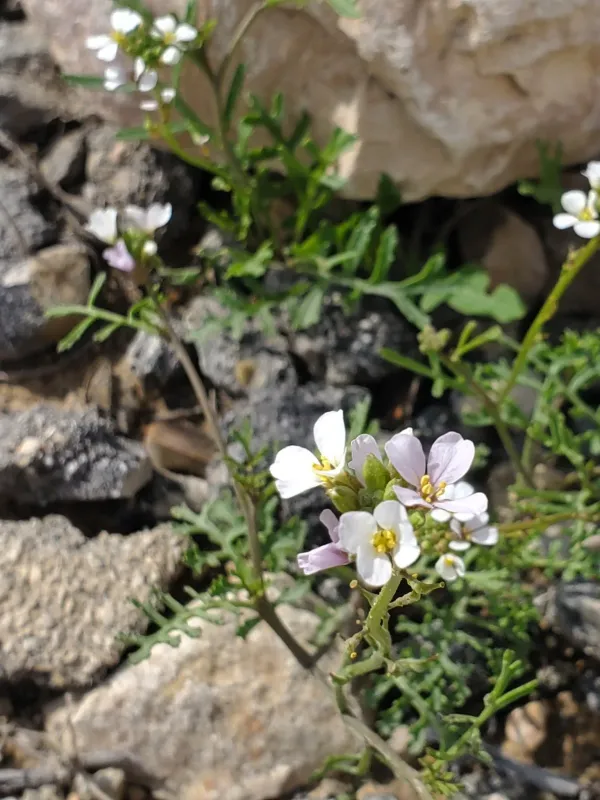
Description
Sowing dates
Erucaria microcarpa belongs to the Brassicaceae family. Sowing is typically carried out in early spring when soil temperatures reach stable levels, usually around 10–12 degrees Celsius.
The seeds are small, necessitating a fine seedbed preparation to ensure they are placed at the correct depth of 2 to 3 centimeters for optimal moisture uptake.
Precision planting is recommended to avoid overcrowding, which helps in maximizing the photosynthetic efficiency of each individual plant and reducing competition for resources.
The crop cycle is relatively short, allowing for strategic scheduling in crop rotation systems to utilize available land between primary seasonal plantings.
Proper seed treatment before sowing can significantly improve germination rates and protect young seedlings from early-stage soil-borne pathogens common in the region.
Growing requirements
The plant thrives in well-drained, sandy or loamy soils, showing remarkable resilience to dry conditions due to its specialized root system adapted to arid climates.
It requires full sun exposure to achieve its growth potential; shading significantly reduces biomass production and negatively impacts the final seed quality.
Soil pH levels should ideally be in the neutral to slightly alkaline range, which promotes the availability of essential minerals required for the metabolic processes of the plant.
Although it exhibits strong drought tolerance, supplemental irrigation during critical developmental stages can substantially increase the final yield and seed size.
Minimal fertilization is usually sufficient, with a focus on balanced NPK applications to encourage vegetative growth without causing excessive succulence that attracts pests.
Main diseases and pests
The main pests threatening Erucaria microcarpa include flea beetles, which can cause significant defoliation to tender seedlings during the first few weeks of growth.
Fungal diseases like downy mildew and powdery mildew can arise if the field is poorly ventilated or if excessive moisture accumulates around the plant canopy.
Aphid infestations are a common issue that must be managed through scouting, as they can cause leaf curling and introduce viral pathogens into the plant population.
Integrated pest management strategies should be prioritized, utilizing biological controls or selective insecticides only when pest thresholds have been clearly exceeded.
Preventative cultural practices, such as maintaining appropriate plant spacing and clearing surrounding vegetation, are essential to minimize the risk of disease spread.