
Erucaria erucarioides
Erucaria erucarioides
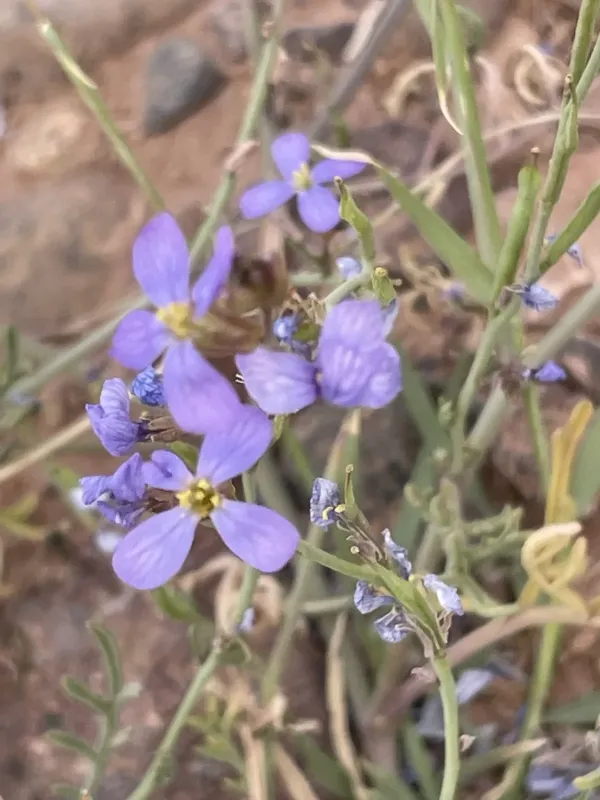
Description
Sowing dates
Erucaria erucarioides is an annual herbaceous plant, and its cultivation cycle typically begins with sowing in early spring. Optimal seeding occurs when soil temperatures reach 8–10 degrees Celsius.
The seeds show high germination energy given adequate soil moisture. The recommended sowing depth is 1 to 2 centimeters to ensure uniform seedling emergence across the field.
In arid climates, late-autumn planting is sometimes practiced, provided the plants have time to harden before severe frost. This method promotes early root development for spring growth.
Plant density should be adjusted based on soil fertility and moisture availability. Standard practice involves row sowing with 15–30 centimeter spacing between rows.
It is essential to maintain spatial isolation from other Brassicaceae crops to prevent cross-pollination and ensure the purity of the harvested seeds.
Growing requirements
This crop is a classic xerophyte, making it exceptionally well-suited for hot, dry regions. Its ability to thrive under water stress is its primary agricultural advantage.
Erucaria prefers light, well-drained sandy or sandy-loam soils with a neutral pH. Heavy clay soils that retain excess moisture can be detrimental to the plant's root system.
As a light-loving species, Erucaria requires maximum sun exposure throughout its vegetation period to sustain metabolic processes and ensure productive seed development.
The species demonstrates notable tolerance to soil salinity, offering a viable solution for land reclamation and farming on previously degraded or marginal agricultural sites.
Applying potassium and phosphorus fertilizers is highly beneficial, as it strengthens plant immunity and enhances their capacity to withstand extreme temperature fluctuations.
Yield
The economic value of Erucaria erucarioides lies in its seed oil production. It is a promising industrial oilseed crop capable of providing stable yields in harsh conditions.
The overall yield of biomass and seeds depends heavily on rainfall during the flowering stage. Supplemental irrigation can significantly increase the total productivity per hectare.
After the oil extraction process, the remaining meal serves as a high-protein supplement in livestock feed, adding value to the industrial processing chain.
Beyond its oilseed potential, the plant is frequently used as a green manure crop to improve soil structure and increase organic matter content in depleted fields.
Utilizing modern varieties and optimized agronomic practices allows for profitable production on sites where traditional cereals would typically fail.
Main diseases and pests
The primary pests affecting Erucaria are those common to the Brassicaceae family, with flea beetles posing the greatest risk to young, emerging seedlings.
The cabbage seedpod weevil can cause significant damage during the budding phase by feeding on the reproductive organs, directly reducing the potential seed yield.
Alternaria leaf spot is a major fungal threat that typically develops under high humidity, affecting both the foliage and the developing seed pods.
Powdery mildew may occur when significant day-to-night temperature shifts lead to heavy dew, impacting the photosynthetic capacity and overall health of the crop.
Integrated pest management, including crop rotation and the timely application of authorized insecticides, is crucial for maintaining a healthy and productive crop stand.
Harvesting
Harvesting is typically conducted at the stage of full seed maturity, when the pods turn a brownish or straw-yellow color, signaling readiness for threshing.
Direct combining is the preferred harvesting method; however, precise adjustment of the combine’s threshing drum speed is required to minimize harvest losses.
In cases of uneven ripening, pre-harvest desiccation is recommended to ensure uniform plant drying and to facilitate a more efficient threshing process.
Post-harvest, seeds must be dried to a moisture content of approximately 8–10% to ensure stability during storage and prevent the development of spoilage.
Storage facilities should be dry, clean, and well-ventilated to protect the seed quality and prevent the growth of storage molds or pest infestations.