
Eremogone rigida
Eremogone rigida
Description
Growing requirements
Eremogone rigida is a perennial herbaceous plant belonging to the Caryophyllaceae family. Naturally occurring in rocky, mountainous areas, it has developed unique biological traits that allow it to thrive in nutrient-poor substrates and harsh environmental conditions.
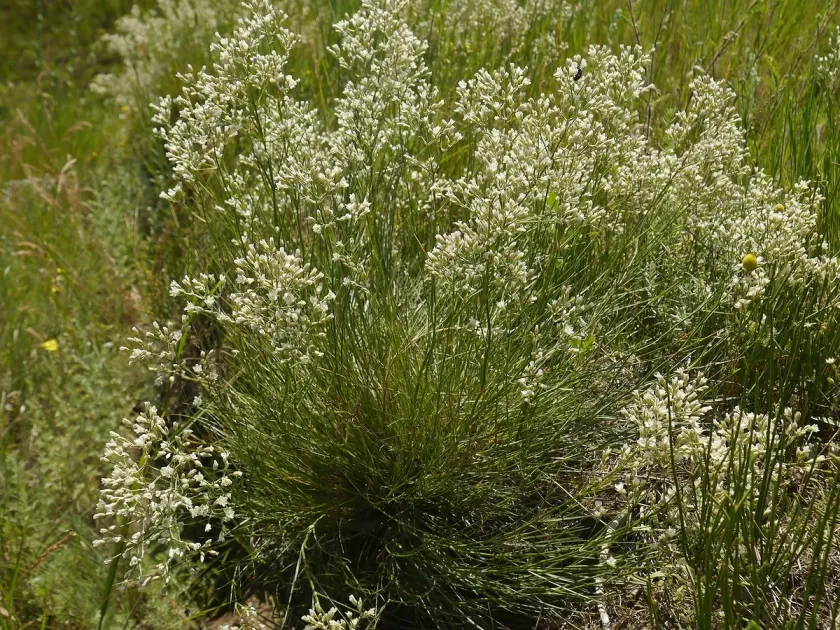
The plant is characterized by its compact cushion-forming habit, which serves as a defensive mechanism against extreme weather. Its stiff leaves are specialized for water retention, making the plant highly efficient in dry, exposed habitats.
Optimal growth requires well-draining, stony, or sandy soil. It is essential to ensure that the site is free from waterlogging, as the species is highly susceptible to root rot in poorly aerated, wet conditions.
Climate requirements include high exposure to direct sunlight. The plant prefers open areas, which mimic its natural alpine environment, and will not perform well in shaded spots where growth becomes weak and elongated.
Regarding agricultural maintenance, low input is required. The plant is adapted to nutrient-poor soils; therefore, over-fertilization should be strictly avoided to maintain its natural, compact structural integrity.
Main diseases and pests
The primary threats to Eremogone rigida are fungal pathogens, specifically those causing root rot, which are triggered by excessive moisture and lack of soil oxygenation. Proper drainage management is the most effective prevention.
Pests such as spider mites may occasionally colonize the plants if the environmental conditions become excessively dry or stagnant. Regular monitoring of the plant's health ensures that infestations remain manageable without chemical interference.