
Long-leaved sandwort
Eremogone longifolia
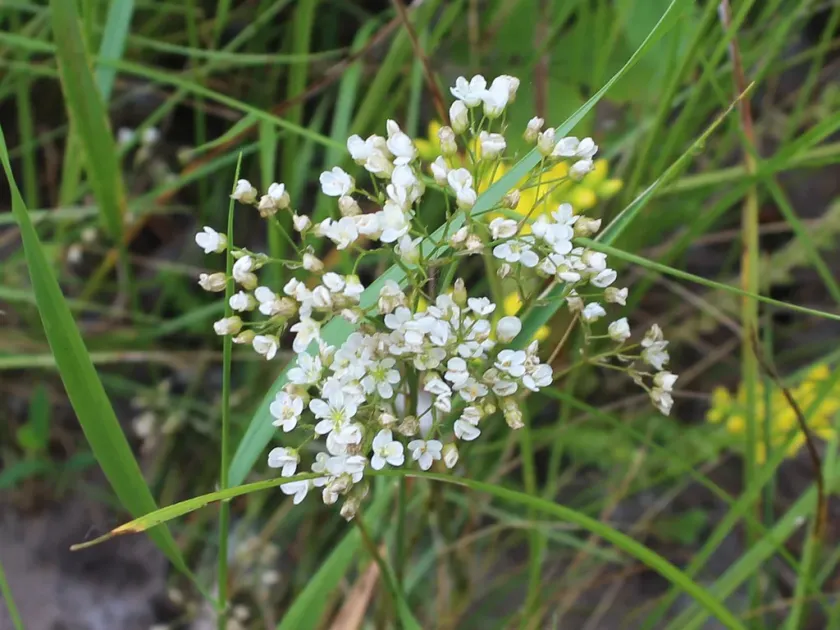
Description
Sowing dates
Long-leaved sandwort, or Eremogone longifolia, is a perennial plant that requires specific propagation techniques to ensure healthy development. Sowing is typically carried out in spring, using well-drained, sandy substrates that mimic the plant's natural arid habitat.
The seeds of this species often require a cold stratification period to break dormancy. Once stratified, they should be sown shallowly, as light exposure can sometimes benefit the germination process of Caryophyllaceae family members.
Maintaining a stable temperature range between 15 and 20 degrees Celsius is optimal for uniform germination. Excessive heat during the early stages of development should be avoided to prevent moisture stress and seedling collapse.
After the true leaves have fully developed, the seedlings should be hardened off before being transplanted to their final location. Careful handling is necessary to protect the delicate root system from physical damage during the transfer process.
Establishing proper spacing is vital for the long-term health of the planting. A distance of 25-30 cm allows for adequate air movement, which significantly reduces the risk of fungal infections in the basal rosette.
Growing requirements
As a member of the Caryophyllaceae family, this plant thrives in open, sunny locations with direct sunlight exposure for the majority of the day. It is highly intolerant of shade, which can cause etiolation and a dramatic loss of plant vigor.
Soil requirements are quite strict: the plant mandates excellent drainage and a low-nutrient, gravelly, or sandy soil composition. Heavy soils that retain moisture will inevitably lead to root rot and death.
Watering should be minimal and only performed during prolonged dry spells. The plant is drought-tolerant once established, and an excess of moisture is far more detrimental than a temporary lack of water.
The ideal pH range for growth is neutral to slightly alkaline. Acidic soils should be amended with lime or crushed stone to create an environment more suited to the plant's physiological needs.
Regular maintenance involves keeping the soil surface loose and free of debris. This prevents moisture accumulation around the plant base and ensures that the roots have consistent access to oxygen.
Main diseases and pests
The primary threats to Long-leaved sandwort include fungal pathogens associated with damp environments. Diseases like Pythium or Fusarium can devastate a stand within a short period if soil drainage is compromised.
Insect pests such as aphids and spider mites can occasionally affect the plant, particularly under greenhouse or overly protected conditions. These pests thrive in stagnant air, emphasizing the need for good field ventilation.
Preventative care is centered on environmental control. By ensuring high light levels and avoiding excessive fertilization or irrigation, the risk of disease and pest infestation is kept to a minimum.
Weed competition is a critical factor for young plants. Because Eremogone longifolia is slow to establish, manual weeding is necessary to prevent larger, more aggressive species from overtopping and shading it out.
In case of severe infestations, targeted use of fungicides or acaricides is recommended. However, chemical usage should be strictly controlled, focusing on spot treatments rather than broad-spectrum application to preserve beneficial biodiversity.