
Eremogone capillaris
Eremogone capillaris
Description
Growing requirements
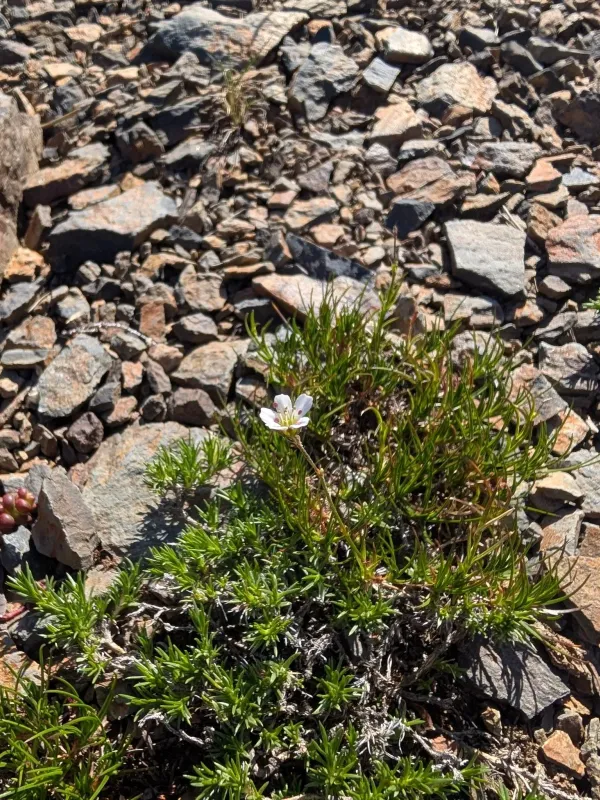
Eremogone capillaris is a perennial herbaceous plant belonging to the Caryophyllaceae family. Naturally occurring in rocky mountains and steppe landscapes of Siberia and Mongolia, this plant is well-adapted to harsh environmental conditions.
The plant is highly regarded for its dense, cushion-forming habit. Its foliage consists of very fine, needle-like leaves that create a distinct, hair-like texture, giving the species its specific name.
For successful cultivation, Eremogone capillaris requires extremely well-drained, nutrient-poor soil. A sandy or gritty substrate is ideal to replicate its natural habitat and prevent root rot, which is a major concern for this species.
This crop is highly light-demanding and thrives in full sun. It exhibits excellent tolerance to heat and drought, making it suitable for xeriscaping and sustainable garden design in dry climates.
Hardiness is one of the plant's key features, allowing it to withstand severe winter temperatures without additional protection. However, protection from excessive moisture during the dormant season is critical for its long-term survival.
Main diseases and pests
Fungal diseases are the primary threat to Eremogone capillaris, particularly when soil drainage is insufficient. Root rot and damping-off can occur rapidly if the plant is exposed to persistent soil moisture.
Pests such as snails and slugs can cause localized damage to the foliage, especially during spring months when the new growth is soft and succulent. Proper garden hygiene is necessary to minimize these threats.
In hot and arid conditions, spider mites may sometimes attack the plants. Regular inspection of the foliage for fine webbing is recommended to detect these pests early and apply appropriate control measures.
To prevent disease outbreaks, gravel mulching is highly recommended. By keeping the crown of the plant away from moist soil, the risk of fungal infections is significantly reduced throughout the year.
Good air circulation is essential for the health of the plant. Avoid overcrowding in landscape designs to ensure that the foliage dries quickly after rainfall, thereby maintaining the structural integrity of the cushion.