
Eremogone procera
Eremogone procera
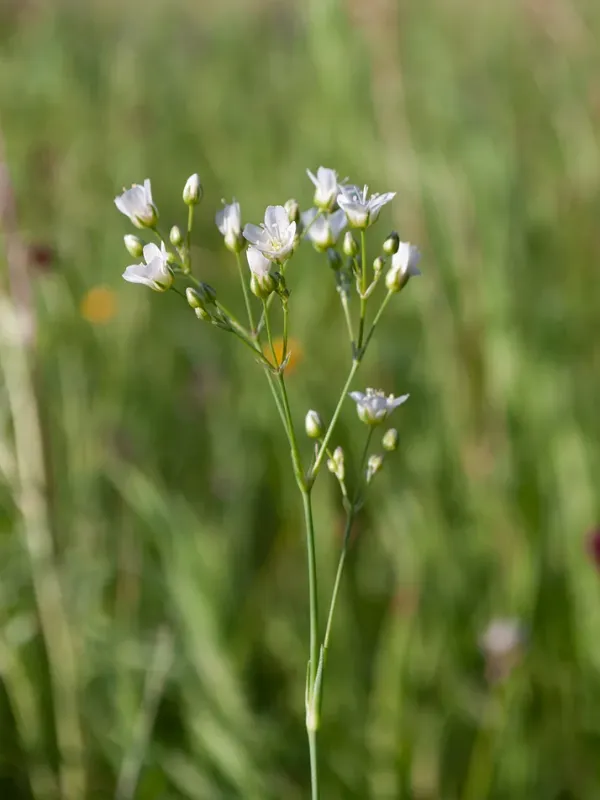
Description
Growing requirements
Eremogone procera is a herbaceous perennial belonging to the Caryophyllaceae family. Naturally, it inhabits rocky slopes, steppes, and sandy areas across Eurasia, demonstrating high adaptability to harsh environmental conditions.
The plant features a taproot system and narrow, stiff leaves that help minimize water loss. Its morphology allows it to form dense mats, making it highly effective for ground cover in challenging, dry environments where typical meadow plants would struggle.
The primary growth requirement for this species is abundant sunlight. It thrives in locations with full solar exposure, which helps maintain the compactness and health of the foliage throughout the active growing season.
Soil quality is a critical factor for successful cultivation. The plant demands excellent drainage, as standing water is detrimental to its health. Sandy, gravelly, or slightly alkaline substrates are optimal for preventing root rot and ensuring longevity.
In terms of practical application, Eremogone procera is highly valued in rock gardening and sustainable landscaping. Its low water requirements and resistance to climatic fluctuations make it a low-maintenance choice for dry and challenging garden sites.
Main diseases and pests
The most significant threat to Eremogone procera is excessive soil moisture. Overwatering or poor drainage often leads to fungal pathogens that attack the root system, causing rapid decline and plant death in a short period.
While the plant is relatively pest-resistant, aphids may occasionally inhabit the floral stems during the blooming stage. Minor infestations are usually managed by natural predators or localized treatment, as they rarely cause systemic damage to established plants.
To prevent disease outbreaks, ensuring sufficient airflow between plants is essential. Planting at appropriate intervals helps maintain a dry microclimate around the base, which is crucial for preventing mold and bacterial infections.
Early identification of signs such as yellowing leaves or wilting can prevent the spread of diseases. If an infection is detected, the affected soil should be replaced with a sterile, well-draining mixture, and the area should be kept dry until recovery.
Routine maintenance includes the removal of old stems to promote air circulation. Removing debris from the base of the plant is a vital cultural practice that prevents the accumulation of moisture, which is the primary driver of most health issues in this species.