
Bieberstein's sandwort
Eremogone biebersteinii
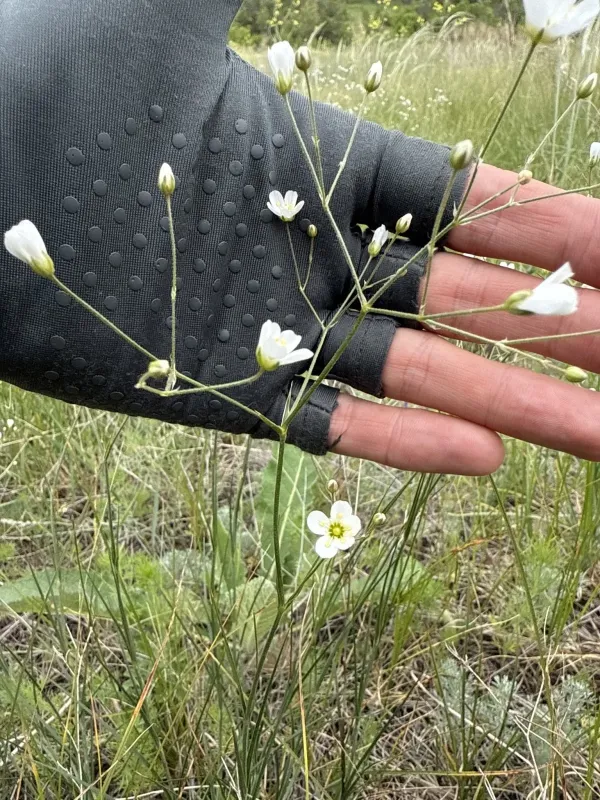
Description
Growing requirements
Eremogone biebersteinii is a perennial herbaceous plant belonging to the Caryophyllaceae family. It is widely recognized for its compact growth habit and needle-like foliage, making it a staple in xeriscaping and alpine garden designs.
Originating from the mountainous and steppe regions, this species is well-adapted to harsh environmental conditions. The plant requires a location with full exposure to sunlight to maintain its structural integrity and encourage prolific blooming.
The primary cultivation requirement is well-drained, sandy, or rocky soil. The plant is highly sensitive to waterlogging, which can cause rapid decay of the root system; therefore, ensuring proper drainage via grit or sand incorporation is essential for plant longevity.
It is noted for its exceptional drought tolerance, effectively surviving long periods without rain once established. In terms of maintenance, it requires minimal fertilization, as it is adapted to nutrient-poor soils where high-nitrogen fertilizers may lead to weak, elongated growth.
The practical application of this species is primarily focused on ornamental horticulture. It is frequently used to cover bare slopes, stabilize soil on rocky banks, and create low-maintenance, aesthetically pleasing displays in naturalistic gardens.
Main diseases and pests
Fungal diseases related to excessive moisture are the main threat to this species. Conditions such as root rot or crown rot are prevalent in areas with high humidity or poor soil drainage, necessitating careful site selection.
Pests are generally not a significant concern, although spider mites or aphids may occasionally colonize the plant during periods of prolonged drought or heat stress. Integrated pest management, including regular monitoring and proper watering, is sufficient to keep the plants healthy.