
Emilia praetermissa
Emilia praetermissa
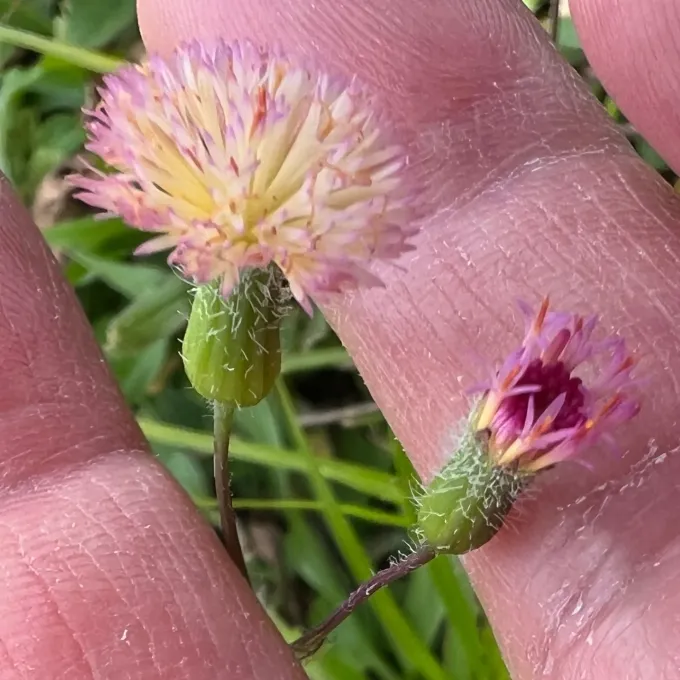
Description
Sowing dates
Emilia praetermissa is a member of the Asteraceae family, widely known for its presence in tropical environments. It is a herbaceous plant that thrives in warm, humid regions and is often utilized as a forage or medicinal resource in local agricultural systems.
Sowing should take place when the soil temperature consistently reaches 20°C or higher. Seeds are typically sown in rows with a spacing of approximately 30 cm to allow for adequate airflow and plant development.
Optimal sowing depth is shallow, usually around 1 cm, as the seeds require a small amount of light to trigger germination. Ensuring a firm seed-to-soil contact is essential for uniform emergence.
Early-stage growth requires consistent moisture to ensure the root system establishes firmly. After the initial emergence, the plant shows strong resilience to various environmental conditions.
Timing the planting with the arrival of the rainy season is a common strategy in tropical regions. This ensures the plant benefits from natural hydration during its most critical growth phases.
Growing requirements
This crop prefers well-drained, fertile soil with a slightly acidic to neutral pH. It is highly adaptable but performs best in soils rich in organic matter, which provide a steady release of nutrients.
In terms of climatic requirements, Emilia praetermissa is sensitive to cold temperatures. It thrives in high-temperature environments where frost is absent, making it unsuitable for temperate climates without controlled conditions.
Good agronomic practices include regular weeding and hoeing, which prevent competition from invasive species and improve soil aeration. This is vital for sustaining vigorous growth throughout the season.
Water requirements remain moderate; however, regular irrigation is advised during flowering to ensure the quality of the biomass. The plant is drought-tolerant once mature but will show signs of stress if deprived of water for long periods.
Fertilization with a balanced NPK ratio is beneficial. Providing nutrients during the vegetative stage significantly boosts the production of foliage and enhances the overall health of the plant.
Main diseases and pests
Fungal diseases, such as powdery mildew, are the most frequent threats, particularly when humidity levels remain excessively high. Proper spacing between plants significantly reduces this risk.
Aphids and mites are the most common pests affecting this species. Early detection is key, and the use of integrated pest management practices helps maintain plant vigor without over-reliance on chemicals.
Root rot caused by stagnant water can be devastating. Ensuring the plot has adequate drainage is a fundamental step in preventing this issue in both field and garden settings.
Competitive weed pressure is high during the first few weeks of growth. Using mulch or mechanical cultivation helps keep the field clear and allows the crop to dominate the area.
Viral infections can occur, often transmitted by insect vectors. Maintaining a healthy field environment and controlling insect populations are the best ways to mitigate the risk of viral spread.