
Emilia fosbergii
Emilia fosbergii
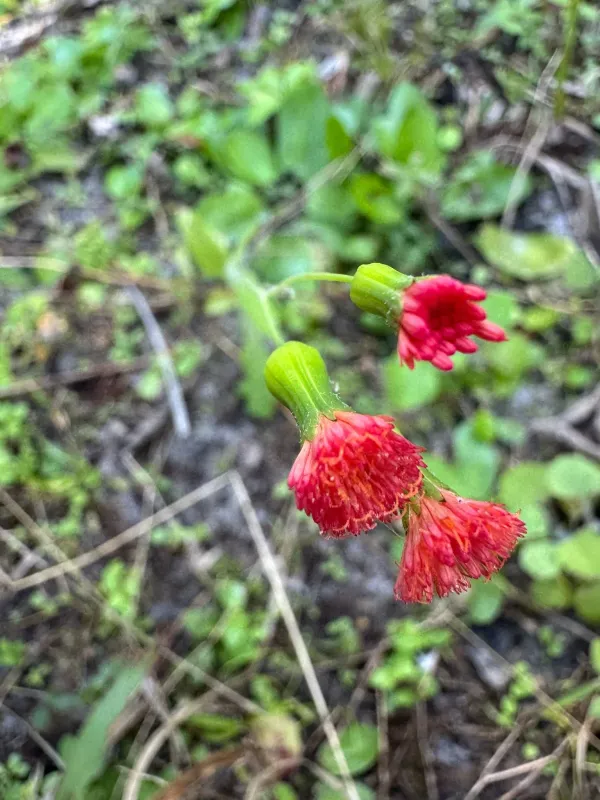
Description
Sowing dates
Emilia fosbergii is a heat-loving annual plant belonging to the Asteraceae family, typically grown for its delicate, vibrant flowers that brighten up garden beds.
For indoor propagation, seeds should be sown in late spring, approximately six to eight weeks before the last expected frost, into a sterile, well-draining seed-starting mix.
When sowing directly outdoors, it is crucial to wait until the soil has warmed up thoroughly, as the seeds require ambient temperatures above 18 degrees Celsius to germinate effectively.
Surface sowing is recommended for this species because the seeds need adequate light exposure to trigger the germination process successfully within the first two weeks.
Keeping the sowing substrate consistently moist but not saturated is essential for achieving a high percentage of successful seedlings during the initial growth phase.
Growing requirements
This plant thrives in full sun exposure, which is necessary to maintain its compact growth habit and to promote the production of numerous flower heads throughout the season.
Emilia fosbergii adapts well to a variety of soil types, provided that the growing medium offers excellent drainage to prevent root rot and other moisture-related issues.
While the plant is relatively drought-tolerant once established, providing consistent watering during extended dry periods significantly improves its overall visual appeal.
It prefers a slightly neutral to slightly acidic pH level and benefits from a balanced, slow-release fertilizer applied early in the vegetative development stage.
Spacing the plants at an appropriate distance is vital to ensure good air circulation, which helps manage microclimate humidity and reduces the risk of fungal infections.
Main diseases and pests
The most common pests affecting this species include aphids and spider mites, particularly in environments where air circulation is poor or humidity levels are very low.
Powdery mildew can become a concern in environments with excessive foliage density combined with high humidity, appearing as a white dusty coating on leaves.
Regular monitoring of the undersides of leaves is a recommended practice for early detection of pest infestations, allowing for timely and localized intervention.
Integrated pest management strategies, such as introducing beneficial insects or using mild horticultural soaps, are effective ways to control populations without harming the plant.
Sanitation practices, including the prompt removal of decaying plant matter, are essential to minimize the presence of pathogen reservoirs within the growing area.
Harvesting
Harvesting for floral arrangements should be performed when the flower heads are fully open but before the seeds begin to develop to ensure maximum aesthetic longevity.
To collect seeds for future propagation, allow the flower heads to wither and turn brown on the plant, indicating that the seeds inside are fully matured and dry.
Seed heads should be collected in dry weather conditions, ideally in the afternoon, to ensure that the seeds do not retain excess moisture during the drying process.
After harvesting, seeds must be thoroughly dried in a cool, dark, and well-ventilated space to prevent fungal growth before they are stored in airtight paper envelopes.
Properly dried and stored seeds of Emilia fosbergii can retain their viability for several years if kept in stable, low-temperature conditions away from direct sunlight.