
Emilia citrina
Emilia citrina
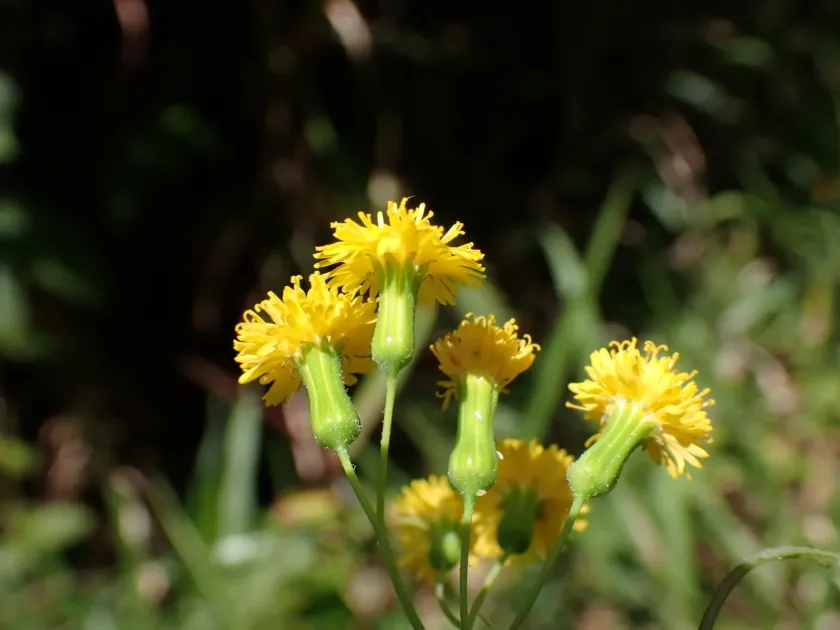
Description
Sowing dates
Emilia citrina is a fast-growing annual plant that is primarily propagated by seeds. For early blooming, it is best to start seeds indoors in seedling trays about four to six weeks before the last expected frost date in your region.
Direct sowing in the garden is possible once the danger of frost has completely passed and the soil has warmed up to at least 18 degrees Celsius. The seeds require warmth and light to germinate successfully within a period of 10 to 14 days.
When sowing, place the seeds on a light, well-draining potting mix and cover them very lightly, as they need a bit of light to germinate. Keep the substrate consistently moist but not waterlogged until the seedlings emerge.
Once the seedlings have reached a size where they are easy to handle, they should be thinned or transplanted to their final location, keeping a spacing of approximately 20 to 25 centimeters between individual plants to ensure proper air circulation.
Sequential sowing is a recommended strategy for commercial growers and gardeners alike. By sowing seeds every few weeks, you can extend the flowering period throughout the entire summer and autumn season.
Growing requirements
As a member of the Asteraceae family, Emilia citrina thrives in full sun exposure. It requires at least six to eight hours of direct sunlight daily to produce high-quality blooms and maintain a sturdy, upright growth habit.
The plant prefers well-drained, fertile soil with a neutral to slightly acidic pH level. It is highly sensitive to waterlogged conditions, which can lead to root system decay and poor plant development, making drainage a priority.
While the plant is somewhat adaptable, it performs best when provided with consistent moisture. During dry spells, regular irrigation is essential to prevent wilting and to keep the stems strong for potential use as cut flowers.
Light fertilization is beneficial during the active growing phase. A balanced, low-nitrogen liquid fertilizer applied once every few weeks can promote more vibrant flowering and improve the overall plant vitality without causing excessive leafy growth.
Weed control is an important aspect of maintenance. Since Emilia citrina does not like competing with invasive species, regular weeding around the base of the plant is necessary to allow for optimal airflow and nutrient uptake.
Main diseases and pests
Aphids are the most common pest for Emilia citrina. They tend to gather on the tender young growth and flower buds, causing deformation. Regular inspection and the use of insecticidal soaps or neem oil are effective ways to manage infestations.
Spider mites can become a significant nuisance during hot and dry weather. They feed on the underside of leaves, causing a stippled, yellow appearance. Increasing humidity and using appropriate miticides can help keep their populations in check.
Powdery mildew is the primary fungal threat, appearing as a white, dusty layer on the foliage. This disease is usually triggered by high humidity combined with poor airflow, emphasizing the importance of proper spacing during the initial planting.
Root rot is often a result of overwatering or poorly drained soil conditions. To prevent this, ensure that the soil remains moist but not saturated, and avoid overhead watering in the late afternoon to keep the leaves dry overnight.
Integrated pest management, involving the prompt removal of infected plant debris and the encouragement of beneficial insects, is the best long-term strategy for maintaining a healthy and productive patch of Emilia citrina.
Harvesting
For use as cut flowers, Emilia citrina should be harvested when the flower heads are in the half-open stage. This ensures they continue to open and remain fresh for the longest possible duration in a vase or floral arrangement.
The stems should be cut early in the morning when the plant's water content is highest. Immediately place the cut stems into clean water, and strip off any foliage that would be submerged, as this helps prevent bacterial growth in the water.
When collecting seeds for future propagation, allow the flower heads to fully mature and turn brown on the plant. Harvesting should be done on a dry day, and the seed heads should be clipped and placed in a container.
The seed heads need to be dried in a cool, dark, and well-ventilated area until they become brittle. Once fully dry, the seeds can be threshed, cleaned of debris, and stored in envelopes for the next planting season.
Proper storage is key to maintaining high germination rates. Keep the seeds in a dry, dark, and cool place, such as a paper bag inside a storage bin, to ensure they remain viable for the following one to two years.