
Emilia macaulayae
Emilia macaulayae
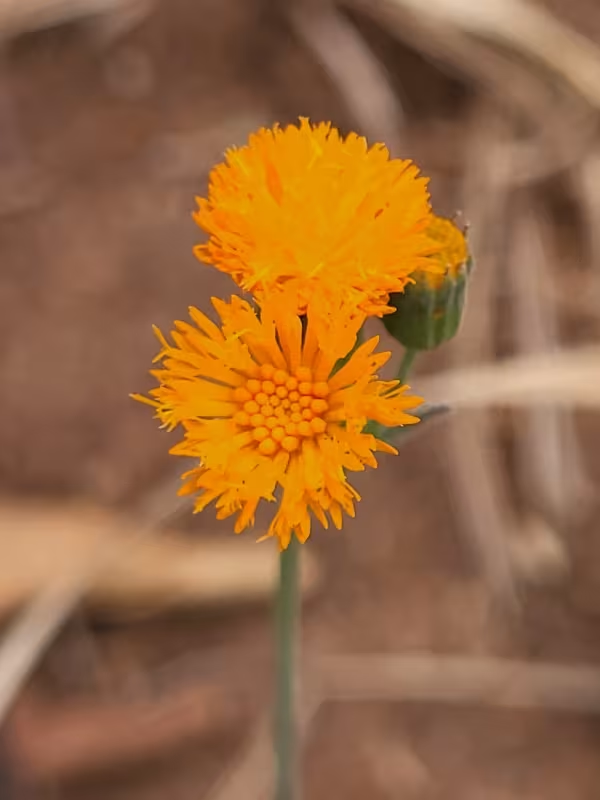
Description
Sowing dates
Sowing Emilia macaulayae seeds should ideally be done in a protected environment to ensure a strong start for the seedlings. In temperate regions, starting the seeds in containers during March or April provides the necessary warmth and light for early germination.
Direct sowing into the field is possible once the danger of late spring frost has completely passed. The soil should be well-warmed, typically towards the end of May or early June, ensuring the seedlings grow vigorously without the check of cold temperatures.
The seeds require light to germinate effectively and should therefore be sown on the surface of the growing medium rather than being buried deep. Gently pressing the seeds into the soil surface and maintaining constant moisture is crucial for successful emergence.
Pricking out the seedlings once the first true leaves appear is a recommended practice to promote a robust root system. This process helps to prevent overcrowding in the seedling trays and ensures each plant has adequate space to mature.
When transplanting into their final location, maintaining a spacing of 25 to 30 centimeters is ideal. This spacing facilitates good airflow between plants, which is vital for preventing the development of humidity-related issues in the foliage.
Growing requirements
Emilia macaulayae, belonging to the Asteraceae family, is a tropical plant that demands a high level of sunlight to thrive. It should be positioned in an area that receives full sun throughout the day to support its natural growth patterns.
The plant performs best in light, well-draining soil types. While it is adaptable to various soil conditions, it prefers a neutral to slightly acidic pH, which optimizes the availability of essential nutrients for the plant's metabolic processes.
Consistent soil moisture is key to keeping the plant vibrant and encouraging continuous bloom. While it shows some resilience to minor dry spells, prolonged water stress will inevitably negatively affect the size and quality of the flowers.
Regular fertilization with a balanced mix of nitrogen, phosphorus, and potassium supports the energetic growth of this culture. Applying a liquid fertilizer during the peak blooming season can significantly enhance the visual appeal of the plants.
Temperatures should ideally remain between 18 and 25 degrees Celsius for optimal development. Exposure to cold drafts or significant temperature fluctuations can cause the plant to drop buds and inhibit its overall health.
Main diseases and pests
Aphids are the most common pests affecting this species, often clustering around tender new shoots and buds. Regular monitoring and the application of insecticidal soap or appropriate systemic treatments can keep populations under control.
Powdery mildew can become a significant issue during periods of high humidity and poor air circulation. To manage this threat, it is important to ensure the planting site has good ventilation and that foliage remains as dry as possible.
Root rot is frequently associated with waterlogged conditions, particularly if the soil has poor drainage properties. Ensuring that irrigation is moderated and that the planting bed is properly prepared with drainage material will prevent this condition.
Spider mites may appear during hot, dry spells, causing leaf stippling and general decline. Increasing air humidity around the plant or using specialized acaricides are effective strategies for managing infestations before they spread.
Maintaining a weed-free environment is essential for overall plant health, as weeds can act as reservoirs for viruses and pests. A clean growing space ensures that Emilia macaulayae remains vigorous and less susceptible to external threats.