
Emilia humifusa
Emilia humifusa
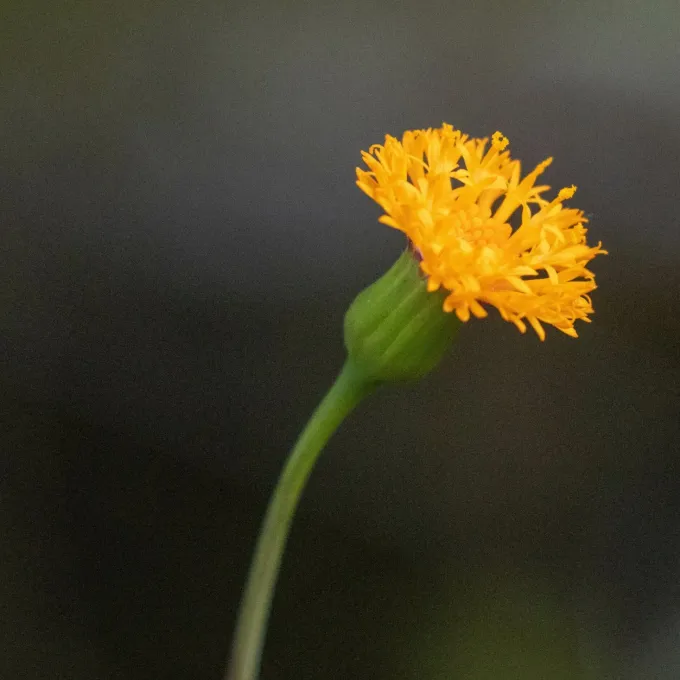
Description
Sowing dates
Emilia humifusa is a thermophilic culture, making sowing timing critical depending on the climate zone. In temperate regions, seeds are typically started indoors in March or early April to ensure blooms during the summer season.
Direct sowing into open ground is only advisable once the threat of late spring frosts has passed completely. The soil temperature should be consistently warm, ideally between 18 and 20 degrees Celsius, for optimal germination.
For best results, use a light, well-draining potting substrate enriched with perlite or sand. Seeds should be sown on the surface and lightly covered, as they require stable humidity to germinate successfully.
Seedlings should be transplanted after the development of two true leaves, taking extreme care not to disturb the delicate root structure. Space individual plants approximately 20–25 centimeters apart to allow for proper air circulation.
In warmer climates, autumn sowing is possible if the area is adequately mulched to protect against extreme winter temperatures. Regardless of the method, ensure that the sowing depth remains minimal due to the small size of the seeds.
Growing requirements
As a member of the Asteraceae family, Emilia humifusa thrives in full sun, which is necessary for it to produce vibrant flowers. Providing adequate light is the most important factor in maintaining the plant's health and appearance.
The soil should be loose, sandy, and fertile, with excellent drainage capabilities. The species is highly sensitive to waterlogged conditions, which frequently result in root rot and subsequent plant decline within a short period.
Neutral or slightly acidic soil conditions are ideal for this crop. Before planting, it is recommended to improve heavy soils with organic matter like compost to ensure proper root development and nutrient accessibility.
Watering should be managed carefully, providing consistent moisture during the peak growth season while avoiding excess. During long dry spells, supplementary watering is needed, but always aim at the base to keep foliage dry.
Low-nitrogen fertilizers are preferred, as excessive nitrogen often leads to abundant leaf growth while significantly reducing the number of flowers. Feed the plants sparingly throughout the season to maintain steady growth rates.
Main diseases and pests
Aphids and spider mites are the most common pests affecting Emilia humifusa, particularly during hot and dry weather conditions. Regular inspection of the undersides of the leaves is essential for early detection.
Fungal diseases, including various types of root rot and powdery mildew, are prevalent in environments with high humidity and poor air circulation. These conditions must be mitigated through proper spacing and site selection.
Preventative practices include strict weed control, as surrounding vegetation often acts as a reservoir for both pests and diseases. Ensuring the planting site has good drainage and air movement is the best natural defense.
If pest populations exceed manageable levels, use environmentally friendly insecticidal soaps or biological controls. Chemical applications should be considered a last resort to minimize the impact on local pollinators.
When disease symptoms appear, promptly remove infected plant material to prevent the spread of fungal spores. Following good garden hygiene helps maintain the long-term health and vigor of your Emilia humifusa plantation.