
Thorny olive
Elaeagnus pungens Thunb.
Description
Growing requirements
Thorny olive, or Elaeagnus pungens, is a robust evergreen shrub belonging to the Elaeagnaceae family. Originating from East Asia, this plant has gained recognition globally for its extreme hardiness and ability to thrive in challenging environmental conditions where other plants might fail.
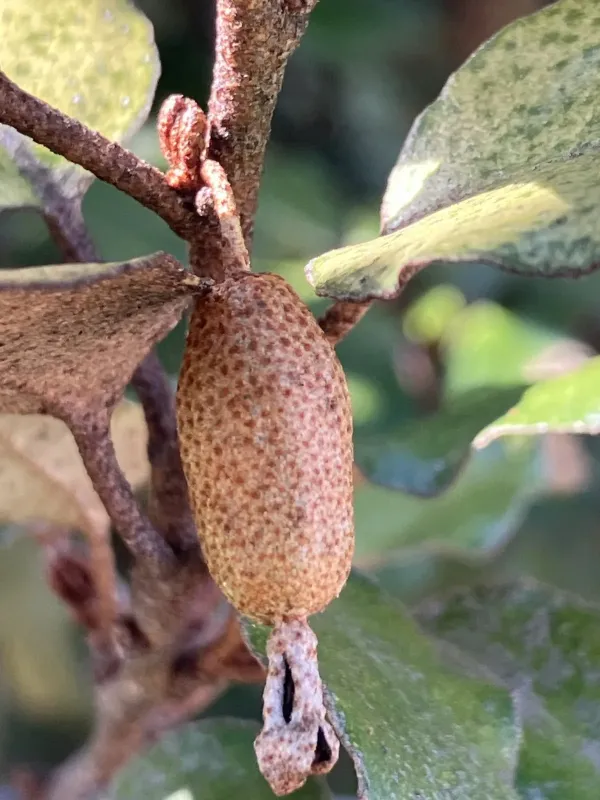
The plant is biologically characterized by its dense, branching structure equipped with sharp thorns, which serves as an effective natural barrier. Its leaves are typically covered with metallic-like silver scales on the underside, an adaptation that significantly reduces water loss through transpiration during hot summer months.
Regarding soil requirements, the thorny olive is exceptionally undemanding. It can grow in sandy, loamy, or even gravelly soils. Due to its symbiotic relationship with nitrogen-fixing bacteria located in root nodules, it can survive in nutrient-poor soils, actively improving the soil quality over time.
Cultivation practices primarily involve strategic pruning to maintain the desired shape and control the spread of the bush. As a drought-tolerant species, it requires minimal irrigation once the root system is established, making it an excellent choice for sustainable and low-maintenance landscaping.
The economic and ecological importance of Elaeagnus pungens is significant. It is widely used for windbreaks, soil erosion control on steep slopes, and as a salt-tolerant hedging plant in coastal areas. Additionally, it serves as a valuable source of nectar for pollinators during the flowering season.
Main diseases and pests
Generally, the thorny olive is known for its high resistance to pests and diseases. However, in poorly drained or overly crowded areas, fungal leaf spots can occasionally appear. Ensuring proper planting density and maintaining adequate light exposure is usually sufficient to mitigate these risks.
Occasional infestations of scale insects or aphids may occur, particularly on young, tender growth. Integrated pest management, including regular monitoring and, if necessary, the use of organic horticultural oils, is the recommended approach to keep the plants healthy and vigorous throughout the year.