
Goumi
Elaeagnus multiflora Thunb.
Description
Sowing dates
Elaeagnus multiflora, commonly known as goumi, is a perennial shrub belonging to the Elaeagnaceae family. It is native to the temperate regions of Eastern Asia, including China, Japan, and Korea, where it has been traditionally used in local horticulture.
The plant is typically propagated through cuttings or layering, as seed germination can be challenging due to the hard seed coat, which requires prolonged stratification. Vegetative propagation ensures that the specific characteristics of the parent plant are maintained.
Planting is best performed in early spring before the buds break dormancy or in late autumn. Given that goumi is partially self-fertile but often produces higher yields with cross-pollination, planting two or more shrubs is recommended for best results.
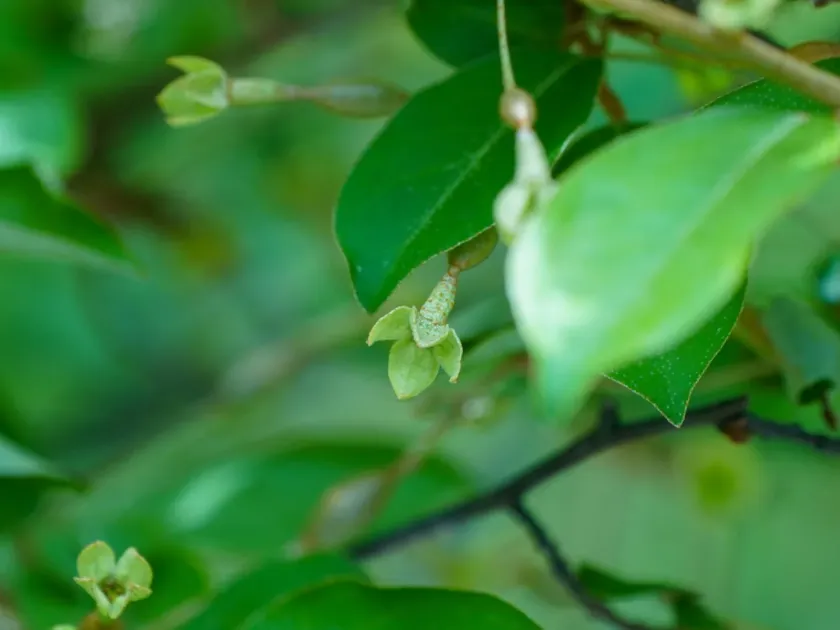
Botanically, the goumi is a deciduous or semi-evergreen shrub that grows to a height of 2-3 meters. It is highly valued for its attractive silver-spotted foliage, which adds ornamental beauty to any landscape design throughout the growing season.
Goumi is primarily cultivated for its edible berries, which are rich in vitamins, antioxidants, and essential fatty acids. Beyond fruit production, the plant serves as a significant honey plant, attracting bees and beneficial pollinators to the garden.
Growing requirements
Goumi thrives in full sun but can tolerate partial shade, although full sun exposure is necessary for maximum fruit production and sweetness. The shrub is quite adaptable to various locations provided they are sheltered from strong winds.
The plant is highly adaptable to a wide range of soil types, including poor, sandy, or rocky soils. It does not tolerate waterlogged conditions, so well-drained soil is essential for the health of the root system and to prevent rot.
A unique biological feature of goumi is its ability to fix nitrogen in the soil through a symbiotic relationship with soil bacteria on its roots. This process enhances soil fertility, making it an excellent candidate for permaculture and sustainable gardening projects.
While the shrub is drought-tolerant once established, providing regular water during the first few years of growth and throughout the fruit-setting phase will significantly improve berry size and total harvest volume.
Goumi is known for its hardiness in cold climates, although protection might be required for young shrubs in regions with severe winters. As the plant matures, it becomes more resilient to low temperatures and environmental stressors.
Yield
Fruit production typically begins 3 to 4 years after planting. As the shrub matures, the annual yield increases, provided the plant is given adequate space and managed through proper pruning to encourage new growth.
An established, healthy bush can yield between 5 and 10 kilograms of fruit per season. Because the berries do not ripen simultaneously, gardeners can enjoy an extended harvest period lasting several weeks in early to mid-summer.
The fruit is a bright red, juicy drupe with small silvery scales on the skin. The flavor profile is a unique balance of tartness and sweetness, making the berries suitable for fresh consumption, jams, juices, and various culinary applications.
Pruning is essential for maintaining productivity. By removing old or dense branches, you allow more light to penetrate the center of the shrub, which stimulates the growth of productive branches and makes harvesting easier.
Minimal fertilization is required due to the plant's nitrogen-fixing abilities. A light application of compost or mulch in the spring is usually sufficient to maintain soil health and support the nutrient requirements of the shrub.
Main diseases and pests
Goumi is remarkably resistant to many common pests and diseases, making it a low-maintenance choice for organic gardeners. It rarely requires chemical intervention, as it is naturally robust against most typical garden threats.
Aphids may occasionally appear on young, tender shoots. However, these can usually be managed with simple biological control measures, such as introducing predatory insects or using gentle, soap-based sprays if the infestation becomes significant.
Root rot is the most serious potential issue, resulting from poor drainage or overwatering. Maintaining a well-drained planting site and avoiding water accumulation around the root crown is the best way to prevent such fungal problems.
Birds can be an issue when the fruit starts to ripen, as they are attracted to the bright red color of the berries. Using netting to cover the bushes during the peak harvest period is the most effective way to secure the crop.
General garden hygiene, such as removing debris and weeds around the base of the shrub, helps prevent the build-up of pathogens, ensuring the long-term health and vigor of your goumi plants.
Harvesting
Harvesting should be done by hand when the berries reach their full, deep red color. Because the fruits can be somewhat delicate, it is advisable to harvest them carefully, sometimes by snipping the stems to avoid crushing the fruit.
Freshly picked goumi berries have a relatively short shelf life. They should be consumed or processed within a few days of harvest. Freezing is the most recommended method for preserving the berries for long-term use.
For the best results, harvest in the morning after the dew has evaporated but before the heat of the day. This keeps the fruits firm and maintains their quality for processing or immediate consumption.
Use shallow containers for harvesting to prevent the weight of the fruit from crushing those at the bottom. Proper ventilation during the harvest phase is key to keeping the berries in optimal condition until they are used.
After the harvest, inspect the bushes for broken branches or signs of stress. Trimming away damaged wood and ensuring the soil remains adequately moist will help the plant recover and prepare for the next growing season.