
Echinodorus uruguayensis x Echinodorus schlueteri
Echinodorus uruguayensis x Echinodorus schlueteri
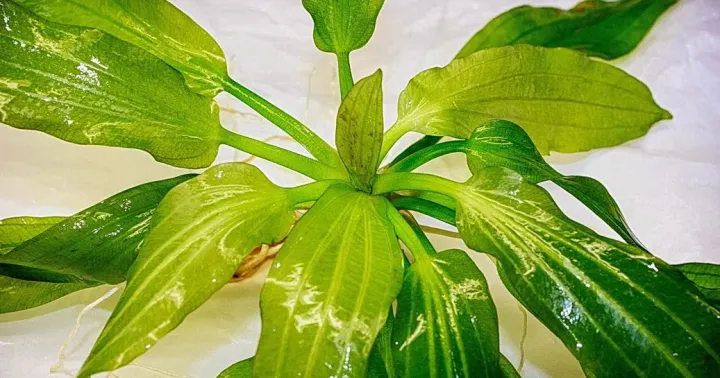
Description
Growing requirements
Echinodorus uruguayensis x Echinodorus schlueteri is a sophisticated interspecific hybrid belonging to the Alismataceae family. As a popular aquatic plant, it is prized for its elegant appearance and adaptability in various freshwater aquarium settings.
The plant features a robust root system, which necessitates a nutrient-rich substrate for successful cultivation. It is highly recommended to use aquasoil or specialized clay-based layers to ensure the plant receives essential micronutrients directly through its roots.
Temperature requirements remain consistent with most tropical aquarium species, ideally ranging between 22 and 28 degrees Celsius. Maintaining stable water chemistry is crucial, as significant fluctuations in pH or hardness can lead to stunted growth or leaf decay.
Lighting plays a pivotal role in the morphology of this plant. Providing moderate to high light levels for at least 8 hours a day ensures compact growth and vibrant leaf coloration, preventing the plant from becoming overly stretched or leggy.
Consistent maintenance includes regular water changes and careful monitoring of nutrient levels. While the hybrid is generally hardy, its growth rate and vitality are significantly enhanced by the injection of carbon dioxide and systematic fertilization.
Main diseases and pests
Common threats to this species include nutrient deficiencies, specifically iron and potassium, which manifest as chlorosis or leaf browning. Maintaining a balanced fertilization regimen is essential to prevent these issues.
Algae infestation remains a significant risk, particularly when lighting is too intense or the nutrient balance is off. Furthermore, rapid changes in water parameters can trigger tissue degradation, often referred to as "melting," which can compromise the entire plant cluster.