
Echinacea paradoxa
Echinacea paradoxa (Norton) Britton
Description
Sowing dates
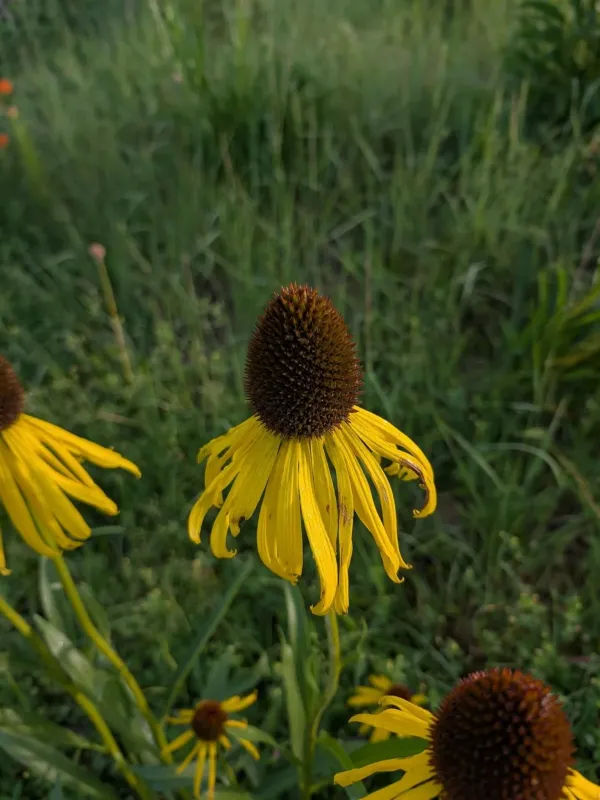
Echinacea paradoxa, commonly known as the yellow coneflower, is a hardy perennial belonging to the Asteraceae family. Unlike other species, it is famous for its distinct yellow drooping petals and is highly prized for its unique botanical profile.
The seeds are naturally dormant and require stratification to germinate effectively. It is recommended to keep seeds in a cold environment (1–5°C) for several weeks before sowing to break this dormancy.
In field production, sowing is best performed in early spring as soon as the soil becomes workable. Seeds should be sown at a shallow depth of approximately 0.5 cm, as they require light to stimulate the germination process.
For greenhouse-grown seedlings, start the process in late winter. Provide adequate spacing between plants, generally 40 cm apart, to ensure sufficient airflow once the seedlings are transplanted to their permanent outdoor location.
The first growing season is focused on establishing a robust root system. During this phase, minimal fertilization is needed, but consistent moisture is essential to help the plant survive its initial year of growth.
Growing requirements
This species is highly adaptable and thrives in sunny locations. It prefers well-drained, nutrient-rich, neutral-to-slightly-alkaline soil, making it perfect for various agricultural settings including prairies or well-managed fields.
One of the primary benefits of Echinacea paradoxa is its exceptional drought tolerance once established. Its deep taproot allows it to access water deep within the soil profile, making it a sustainable choice for arid climates.
Avoid planting in areas prone to waterlogging or heavy clay soils that hold excess moisture throughout the winter, as this significantly increases the risk of root rot and crown disease.
It is remarkably cold-hardy and can withstand freezing temperatures common in temperate zones without requiring artificial protection, as it enters a state of natural dormancy during the winter months.
Occasional soil testing is recommended to monitor pH levels, as the plant performs best when the soil environment remains stable and free from severe nutrient deficiencies or toxic levels of metal content.
Yield
Echinacea paradoxa is cultivated for both its ornamental beauty and its pharmaceutical potential. Yields are typically measured by the dry mass of aerial plant parts and harvested roots per hectare.
The concentration of beneficial compounds, such as echinacosides, peaks when the plants are in full bloom. Strategic harvesting during this window ensures the highest possible quality for the market.
Commercial yields are most stable from the third year onwards. At this stage, the root system is mature enough to be harvested alongside the aerial parts, maximizing the value per square meter of cultivation.
The plant is increasingly sought after for natural health supplements and immune-support products, providing a consistent demand for high-quality dried flower and root material.
Proper management of the plantation allows for continuous harvesting over several years, making it an efficient crop for small-scale growers and larger medicinal plant farms alike.
Main diseases and pests
While robust, this species can be susceptible to fungal issues if grown in humid or overly shaded environments. Root rot remains the most significant threat to plant health during periods of heavy rainfall.
Pests such as aphids and slugs can damage young foliage early in the season. Monitoring for early signs of infestation is critical, especially when plants are still in the seedling or juvenile stage.
Powdery mildew may occur during hot, humid summers. Adequate spacing between plants to improve ventilation is the most effective cultural method for preventing the spread of such diseases.
Maintaining a balanced crop rotation cycle helps reduce soil-borne pathogens. It is advised to avoid planting Echinacea in fields previously occupied by other Asteraceae family members for several years.
Using integrated pest management (IPM) strategies, including biological controls, is highly recommended to ensure the final herbal product meets strict organic or safety standards for human consumption.
Harvesting
The harvest of aerial parts should occur during dry, sunny weather to maximize the concentration of essential oils and ensure quick drying, which prevents quality degradation and mold development.
Cut the stems approximately 15 cm above the ground. This allows the plant to potentially produce a secondary, smaller harvest or simply recover more effectively for the following year.
Drying must be conducted in a dark, well-ventilated space with a temperature range of 40-50°C. Maintaining the dark environment is crucial as UV light can break down active phytochemical compounds.
Root harvest is performed in late autumn after the foliage has naturally withered. The roots must be cleaned thoroughly of soil and debris, sliced into smaller pieces, and dried rapidly to ensure quality.
Store all dried material in moisture-proof, light-resistant containers. Proper storage prevents rehydration and preserves the shelf life of the medicinal components for subsequent processing or sale.