
Hybrid coneflower
Echinacea angustifolia x Echinacea purpurea
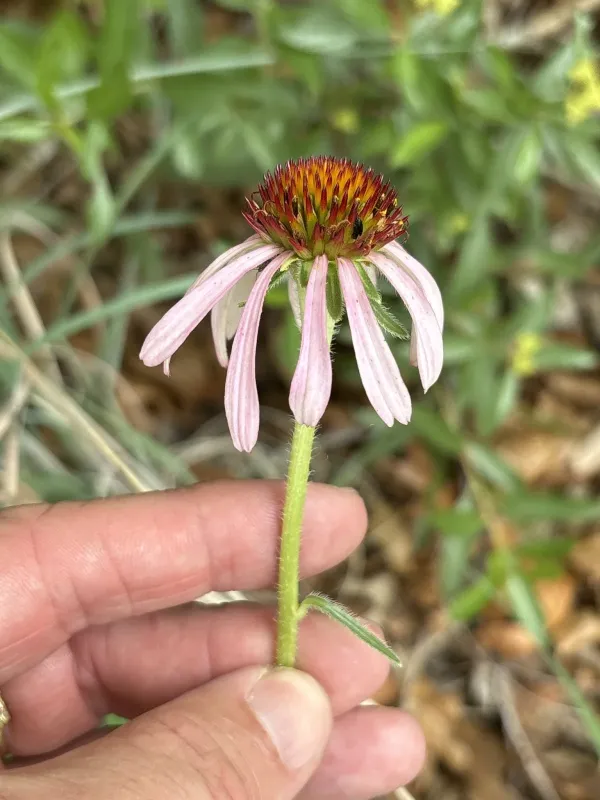
Description
Sowing dates
In large-scale agricultural production, hybrid Echinacea seeds are usually sown in late autumn, specifically October or November, to allow for natural stratification in the soil.
For spring sowing, which occurs in April or May, seeds must undergo a cold stratification period for 30 to 45 days to ensure high germination rates.
To produce high-quality seedlings, seeds are sown in greenhouses during late winter, allowing farmers to transplant robust plants with well-developed root systems into the field.
The planting depth for the seeds should not exceed 1.5 to 2 centimeters because the small seeds have limited nutrient reserves to push through the soil layer.
The optimal planting density involves spacing rows 45 to 60 centimeters apart, with individual plants placed 20 to 30 centimeters apart to ensure optimal resource competition.
Growing requirements
Hybrid Echinacea is a perennial herbaceous plant belonging to the Asteraceae family, created through the intentional cross-breeding of Echinacea angustifolia and Echinacea purpurea.
The crop performs best in open, sun-drenched environments, as shade significantly decreases the production and concentration of secondary metabolites in the aerial parts.
It thrives on loose, fertile soils with a neutral or slightly alkaline pH; highly acidic soils tend to restrict root development and overall plant vitality.
The plant demonstrates excellent winter hardiness and can endure significant periods of drought due to a deep, thick taproot that draws moisture from deep soil layers.
Water management is crucial; therefore, the crop should never be planted in low-lying areas or regions with high water tables, as stagnant water leads to root rot.
Yield
Commercial Echinacea production focuses on harvesting the aerial biomass (flowers and leaves) and the roots, which contain high levels of immunomodulatory compounds.
Under intensive cultivation practices, the yield of dried aerial material generally ranges from 3 to 5 tons per hectare, depending on local climatic conditions.
Root harvesting is typically initiated after the third or fourth year of growth, as this is when the concentration of beneficial polysaccharides and alkamides peaks.
The economic success of a plantation depends heavily on weed control, as invasive plants compete for nutrients and light, especially during the establishment phase.
Strategic use of mineral fertilizers and growth promoters can significantly improve both the dry biomass volume and the yield of active chemical constituents.
Main diseases and pests
Powdery mildew is the most common disease, manifesting in periods of high humidity and wide diurnal temperature fluctuations, which weakens the plant tissue.
Poor drainage and excessive moisture make the crop highly susceptible to crown and root rot caused by various fungal pathogens, which can destroy an entire harvest.
Pest pressure is primarily driven by aphids and various species of plant bugs that extract sap, stunting plant growth and reducing the quality of the raw material.
Certain phytophagous larvae can damage flower heads, which ruins the appearance and quality of the medicinal floral harvest.
- Implement strict crop rotation schedules.
- Conduct regular field inspections for early detection.
- Remove host weeds that harbor fungal spores and pests.
Harvesting
The aerial harvest takes place during peak bloom, when the flower heads are rich in essential oils and the active compounds are most concentrated.
Harvested biomass must be dried immediately in shaded, well-ventilated areas or specialized drying chambers at temperatures not exceeding 40–45 degrees Celsius.
Roots are excavated in the autumn after the growing season, meticulously cleaned of soil, washed with water, and dried in temperature-controlled equipment.
Properly processed raw materials should retain their natural color and distinct aromatic profile, which are indicators of high-quality medicinal content.
Finished goods are stored in multi-layered paper bags to prevent moisture absorption and light-induced degradation of the active therapeutic molecules.