
Drynaria speciosa
Drynaria speciosa
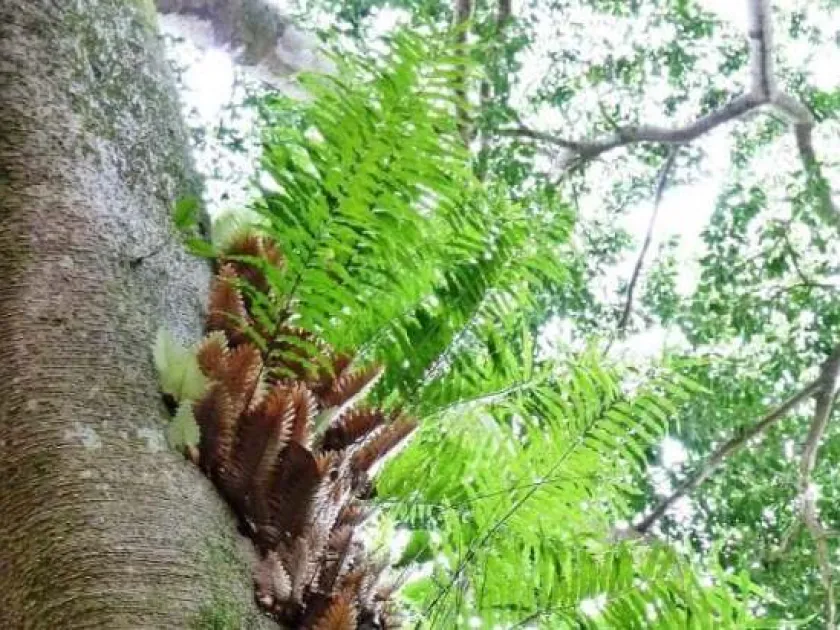
Description
Growing requirements
Drynaria speciosa is a distinctive epiphytic fern belonging to the Polypodiaceae family. Native to the tropical forests of Southeast Asia, this species has evolved to thrive on tree trunks and rocky substrates, absorbing nutrients from forest debris.
The cultivation of this species requires a climate that mimics its natural habitat, with temperatures ranging between 20 and 26 degrees Celsius. High humidity levels are essential, while direct sunlight must be avoided to prevent scorched fronds.
The substrate should be porous and highly breathable, often resembling the environment on tree bark. A mixture consisting of sphagnum moss, orchid bark, charcoal, and a small amount of peat is ideal for drainage and aeration.
Proper agronomic management involves consistent moisture levels, ensuring the medium is never waterlogged. Regular misting or the use of humidifiers helps maintain the necessary atmospheric moisture to support healthy growth.
In terms of agricultural and horticultural utility, Drynaria speciosa is primarily valued for its decorative appeal in vertical gardening and botanical displays. Its unique morphology, featuring sterile, oak-like leaves and fertile fronds, adds significant value to tropical collections.
Main diseases and pests
Spider mites are the most prevalent pest for this fern, especially in indoor environments with low humidity. Regular inspection of the undersides of the fronds is crucial for early detection and control.
Scale insects and mealybugs can attach themselves to the rhizomes and leaf bases. These pests should be treated promptly with horticultural oils or systemic insecticides to prevent severe damage to the plant structure.
Root rot is a critical threat caused by over-irrigation or poorly draining soil. If the rhizome becomes soft or discolored, immediate repotting and substrate replacement are necessary to save the specimen.
Fungal leaf spots can occur when the foliage remains wet for extended periods in environments with poor air circulation. Improving airflow and avoiding overhead watering are effective preventative measures.
Nematodes are an infrequent but serious threat that can damage the root system and cause stunted growth. Using sterilized potting medium and ensuring healthy stock plants is the best way to avoid these soil-borne parasites.