
Drynaria sparsisora
Drynaria sparsisora
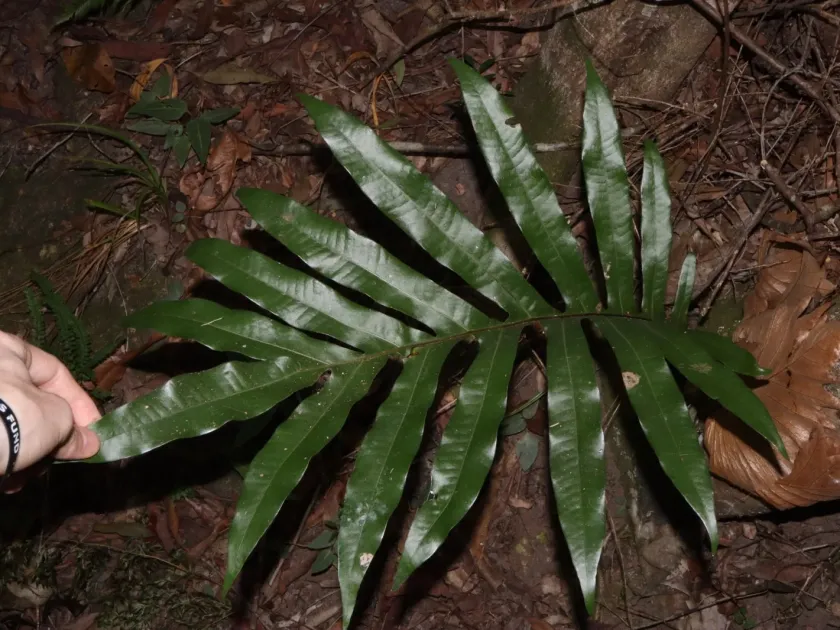
Description
Growing requirements
Drynaria sparsisora is an epiphytic fern species belonging to the Polypodiaceae family. Native to the tropical rainforests of Southeast Asia, this plant has adapted to survive by growing on trees, utilizing them as a physical support rather than a nutritional source.
The plant is known for its dimorphic fronds. It produces specialized sterile nest fronds that are broad and shield-like, designed to collect leaf litter and debris, which then decomposes to provide necessary nutrients to the plant's root system.
Fertile fronds are the second type of leaf, which are photosynthetic and bear the sporangia. These fronds are usually larger and pinnate, displaying the characteristic sparse arrangement of sori that gives this species its name.
Cultivation requires specific environmental parameters, including high humidity levels of 70% or higher and a stable temperature between 20°C and 25°C. The fern thrives in warm, humid conditions and is very sensitive to cold drafts or dry indoor heating.
The growing medium must be highly porous. A typical potting mix includes orchid bark, coarse perlite, and sphagnum moss. Planting in hanging baskets or on wooden slabs is often preferred to mimic the natural epiphytic growing habit of the plant.
Main diseases and pests
The most significant threat to Drynaria sparsisora is root rot caused by waterlogged soil. Proper drainage is essential to ensure that the rhizomes receive enough air circulation, as they are susceptible to fungal decay in stagnant water.
Common pests include scale insects and mealybugs, which are difficult to eradicate due to the plant's complex structure. These pests often hide beneath the sterile nest fronds, making manual removal or insecticide application challenging.
Spider mites are a major issue in environments with low humidity. They typically infest the fertile fronds, causing yellowing and eventual browning. Maintaining moisture is the primary method of preventing mite outbreaks.
Leaf spot diseases can occur if the plant is kept in an area with poor air circulation or if moisture remains on the foliage for too long. Improving ventilation is key to managing fungal pathogens effectively.
General weakness and yellowing of the fronds often indicate a nutrient deficiency or incorrect watering. Regular monitoring of the nest fronds is necessary to ensure the plant is receiving adequate organic matter for healthy growth.