
Drynaria quercifolia
Drynaria quercifolia
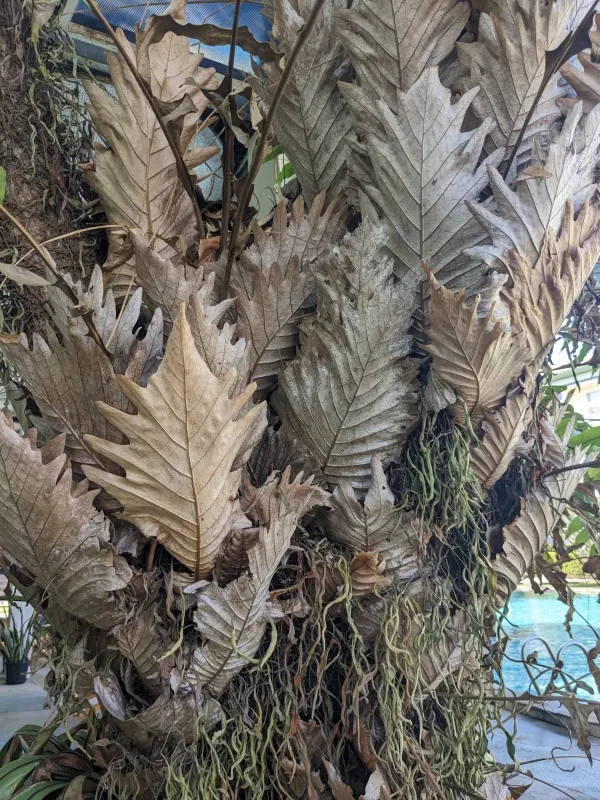
Description
Growing requirements
Drynaria quercifolia, commonly known as the oak-leaf fern, is a robust epiphytic fern belonging to the Polypodiaceae family. Native to the tropical regions of Southeast Asia and Australia, it is biologically adapted to grow on trees and rocky cliffs, relying on its specialized rhizomes to collect nutrients.
To cultivate this species effectively, a warm, stable climate is essential. The optimal temperature range for development is between 20°C and 28°C. Being a tropical plant, it demands high humidity levels, often requiring misting systems or greenhouse conditions to thrive in non-tropical environments.
The growing medium for Drynaria quercifolia must mimic its natural habitat. An ideal substrate consists of a coarse mixture of orchid bark, sphagnum moss, and charcoal. This composition ensures excellent drainage and aeration, preventing the rhizomes from becoming waterlogged, which is a common cause of failure.
Light management is critical for the healthy growth of the oak-leaf fern. It prefers bright, indirect lighting conditions. Intense, direct sunlight can easily scorch the large, distinctively lobed fronds, while deep shade will cause the plant to become leggy and lose its characteristic vigor.
Watering requirements should be balanced. The rhizomes are capable of storing some moisture, so watering should be applied when the upper layer of the substrate begins to dry. Proper fertilization using dilute, orchid-specific nutrients during the active growing season promotes lush foliage and strong rhizome expansion.
Main diseases and pests
Root rot is the most significant threat to Drynaria quercifolia. This condition is primarily induced by poor drainage, excessive irrigation, and low airflow within the root zone. Once the rhizome begins to decay, the plant is often difficult to save, necessitating strict control over moisture levels.
Common pests include scale insects and mealybugs, which tend to congregate under the protective scales of the rhizome or along the midribs of the fronds. Their feeding habits cause yellowing, loss of vigor, and can invite secondary viral or fungal infections that damage the fern's structure.
Spider mites can become a nuisance, particularly if the humidity levels are not maintained. These tiny pests weave webs and cause stippling on the leaves, leading to premature senescence. Regular monitoring and maintaining high ambient humidity are the best ways to keep populations under control.
Leaf spot diseases, caused by various pathogens, can occur if water remains on the fronds for too long without adequate ventilation. Ensuring proper airflow across the foliage and avoiding overhead irrigation during cooler hours can significantly reduce the incidence of these infections.
Effective management involves integrated pest management (IPM) practices, emphasizing preventative care. By maintaining a clean environment and ensuring optimal environmental conditions, the need for chemical intervention is minimized, promoting overall plant health and longevity.
Harvesting
Drynaria quercifolia is harvested primarily for its rhizomes, which possess significant ethnopharmacological importance. In traditional medicine, these rhizomes are processed and used for their anti-inflammatory and healing properties, particularly in treating bone-related injuries and joint pain.
Harvesting involves carefully selecting mature sections of the rhizome to ensure the sustainability of the individual plant. The use of sterilized cutting tools is mandatory to prevent the spread of pathogens, and the wound areas on the remaining rhizome must be treated immediately with a fungicidal paste.
Once collected, the rhizomes are cleaned of debris and adventitious roots. The drying process is conducted in a controlled environment with good airflow, avoiding excessive heat that could degrade the bioactive compounds such as flavonoids and ecdysteroids contained within the tissue.
After reaching the appropriate moisture content, the dried rhizomes are processed into powder or sliced for further use in herbal preparations. Quality control measures ensure that the final product retains its potency and remains free from contamination during storage.
Beyond its medicinal applications, the oak-leaf fern is a staple in the ornamental plant industry. Harvesting for propagation purposes—collecting rhizome cuttings for nurseries—is a lucrative practice that relies on maintaining vigorous stock plants under managed greenhouse conditions.