
Distylium
Distylium racemosum x Distylium myricoides
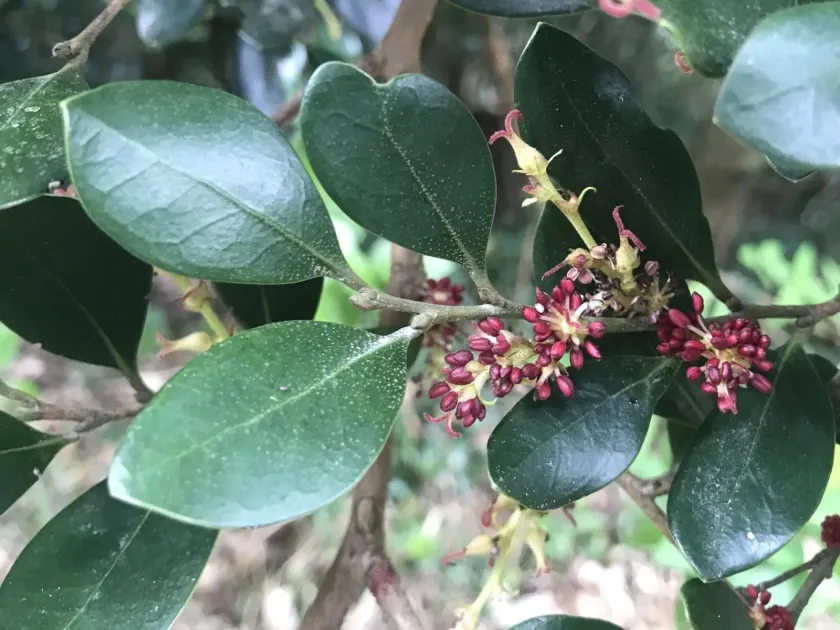
Description
Growing requirements
Distylium is a genus of evergreen shrubs and trees belonging to the Hamamelidaceae family. Recognized for its dense growth habit and leathery, dark green foliage, this plant has gained popularity as a robust alternative to traditional boxwoods and common evergreens.
Native to East Asia, including regions in China and Japan, Distylium species are highly adaptable. They thrive in temperate climates, showing significant resilience to heat and humidity during the summer months while remaining hardy in cooler seasons.
The cultural requirements for Distylium include well-drained soil with a slightly acidic to neutral pH. While the plant is quite versatile, it performs best in soils enriched with organic matter, which supports healthy root development and sustained growth.
Watering requirements are moderate. Once established, Distylium shows remarkable drought tolerance, making it an excellent choice for low-maintenance garden projects. However, young plants require consistent irrigation to establish a strong root system during their first season.
Regarding light, these plants are highly flexible. They grow well in full sun, which promotes the densest foliage, but they also tolerate partial shade, providing gardeners with great versatility when planning plant placement in a landscape layout.
Main diseases and pests
One of the primary benefits of Distylium is its exceptional resistance to diseases and pests. It is largely unaffected by the common leaf spot and blight issues that frequently plague other woody ornamentals, ensuring a clean and attractive appearance year-round.
Pest issues are minimal, though scale insects may occasionally appear on stressed plants. Maintaining the plant's vigor through proper fertilization and watering is usually sufficient to prevent most insect infestations before they start.
Root rot is the most significant threat to the health of Distylium, usually caused by poorly drained soils or excessive irrigation. Ensuring proper drainage during the initial planting phase is critical for the long-term success of the specimen.
To keep the plant healthy, avoid heavy mulching against the main stem, as this can trap moisture and encourage decay. Providing adequate spacing between individual plants is also essential to ensure proper airflow through the canopy.
In cases of severe infestation or disease, systemic fungicides or horticultural oils can be used as a targeted treatment. However, proactive maintenance remains the most effective strategy for preserving the beauty and longevity of the plant.