
Distylium hybrid
Distylium hybr.
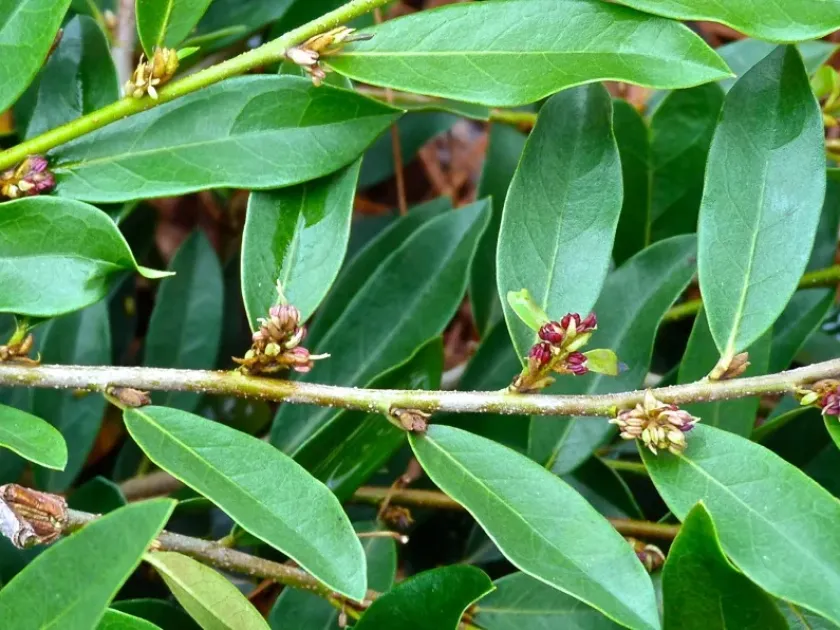
Description
Growing requirements
The Distylium hybrid is a robust evergreen shrub belonging to the Hamamelidaceae family. Originally derived from Asian species, this hybrid has become highly sought after in modern horticulture due to its durability and aesthetic appeal throughout all seasons.
This shrub is renowned for its environmental adaptability, performing exceptionally well in both sun-drenched areas and shaded spots. Its ability to withstand heat and brief periods of drought makes it a low-maintenance solution for commercial and residential landscaping projects.
The ideal soil conditions for Distylium hybrid involve well-draining substrates with a slightly acidic to neutral pH. While the plant is quite tolerant of different soil types, incorporating organic matter during the initial planting phase promotes healthier root establishment.
Regarding water requirements, the plant needs consistent moisture until it is well-established. Once mature, its deep root system offers significant drought tolerance, reducing the need for intensive irrigation compared to other common garden shrubs.
Cultural practices include occasional pruning to maintain desired shape and size. As a slow-to-moderate grower, Distylium hybrid is an excellent candidate for formal hedges, privacy screens, or as a structural element in mixed ornamental beds.
Main diseases and pests
One of the primary benefits of the Distylium hybrid is its remarkable resistance to common pests and diseases. This natural resilience minimizes the requirement for chemical interventions, making it an environmentally friendly choice for sustainable gardening.
However, excessive soil moisture or poor drainage can create a risk of root rot. Ensuring the planting site has adequate slope or an artificial drainage layer is critical to maintaining the plant's long-term health and preventing fungal growth in the root zone.
In rare instances, stress caused by severe environmental changes can make the shrub susceptible to secondary pests such as mites or scale insects. Monitoring the foliage periodically during the growing season allows for early detection and quick treatment if needed.
Preventive maintenance, such as ensuring proper airflow between individual plants in a hedge, is essential for mitigating disease risks. Dense planting can lead to humidity pockets, which may encourage minor foliage issues if the climate is overly humid.
Proper mulching helps preserve soil moisture and temperature balance, but direct contact between the mulch layer and the stem should be avoided. This simple practice prevents bark decay and reduces the likelihood of attracting pests to the base of the shrub.