
Dillwynia sieberi
Dillwynia sieberi
Description
Growing requirements
Dillwynia sieberi is an evergreen shrub species belonging to the Fabaceae family. Native to the eastern regions of Australia, this plant is well-adapted to local sclerophyllous forests and diverse heathland environments.
The culture thrives in well-drained, sandy or gravelly soils. Due to its evolutionary history, it is highly tolerant of nutrient-poor soils and does not require intensive fertilization regimens commonly applied to commercial crops.
The environmental requirements include exposure to full sunlight or light shade, which is essential for maintaining the plant's structural integrity and promoting vigorous flowering during its peak season.
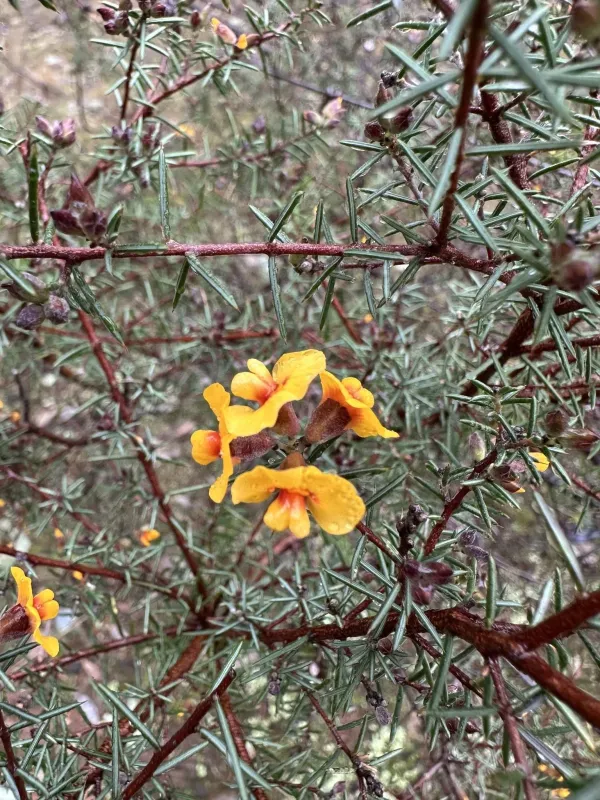
Botanically, it features slender foliage and pea-shaped yellow-orange flowers. These blooms are not only aesthetically pleasing but also play a critical role in local ecosystem biodiversity as a pollen source.
In modern practice, the plant is primarily cultivated in ornamental gardens, particularly those focusing on native Australian flora, where it serves as a resilient and low-maintenance landscape component.
Main diseases and pests
The primary agricultural threat to Dillwynia sieberi is root rot caused by Phytophthora species, which is exacerbated by poor drainage and waterlogged soil conditions.
Aphid infestations may periodically occur on young, tender growth during the spring, which can stunt the development of new leaves if left untreated.
Fungal leaf spot diseases may develop in regions with high ambient humidity or poor air circulation within the shrub canopy, leading to premature leaf drop.
To mitigate these risks, it is essential to ensure a site with excellent drainage and to avoid overhead irrigation that keeps the foliage wet for extended periods.
Integrated pest management, focusing on early detection and physical removal of infested shoots, is the most effective way to manage these threats without harming the plant's native ecological balance.