
Dillwynia retorta
Dillwynia retorta
Description
Growing requirements
Dillwynia retorta, commonly known as the crumpled eggs and bacon, is an ornamental shrub belonging to the Fabaceae family. It is native to eastern Australia, where it naturally thrives in heathlands and open forest understories.
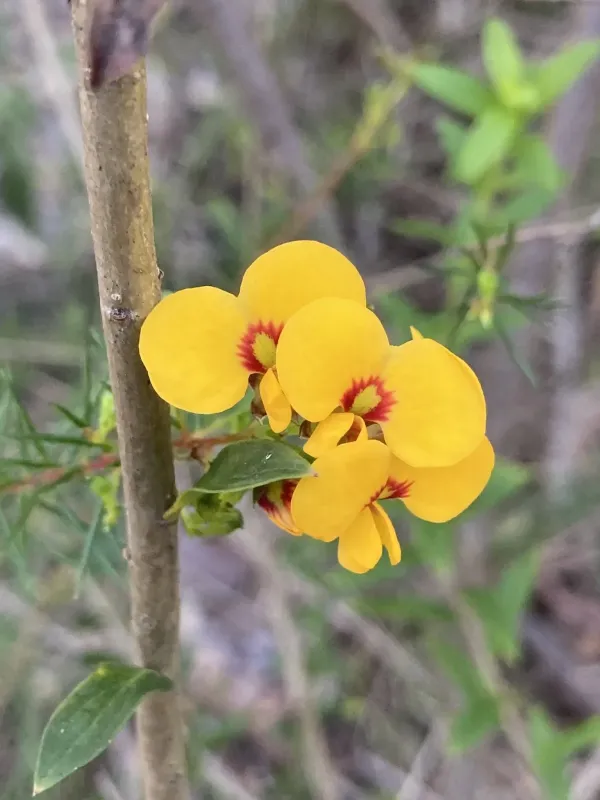
The plant is distinct for its spirally twisted, narrow leaves and vibrant yellow-to-orange pea-like flowers. It serves as a significant biological indicator of healthy sandy soil ecosystems in its native habitat, reflecting the unique biodiversity of Australian landscapes.
In terms of agricultural requirements, this species demands exceptionally well-drained, acidic soil. It is highly intolerant of waterlogging, which necessitates planting it on elevated beds or ensuring porous substrates if grown in containers for landscaping purposes.
Exposure to full sunlight is essential for the plant to achieve its dense, shrubby growth habit. While it is hardy in Mediterranean climates, it remains frost-sensitive and requires protection from freezing temperatures in colder regions, often necessitating greenhouse cultivation.
Management practices for this culture involve light pruning post-flowering to maintain shape. Proper aeration of the root zone is the most important factor in its long-term viability, as stagnant soil conditions often lead to rapid physiological decline.
Main diseases and pests
The primary pathological threats to Dillwynia retorta are soil-borne fungal pathogens, particularly Phytophthora cinnamomi. These organisms exploit moist conditions to destroy the plant's root system, often resulting in sudden wilting and death.
Invertebrate pests, such as mealybugs and various species of scale insects, can also infest the stems and leaves. Regular monitoring and the application of horticultural oils or systemic pesticides are recommended to mitigate these infestations effectively.