
Dillwynia floribunda
Dillwynia floribunda
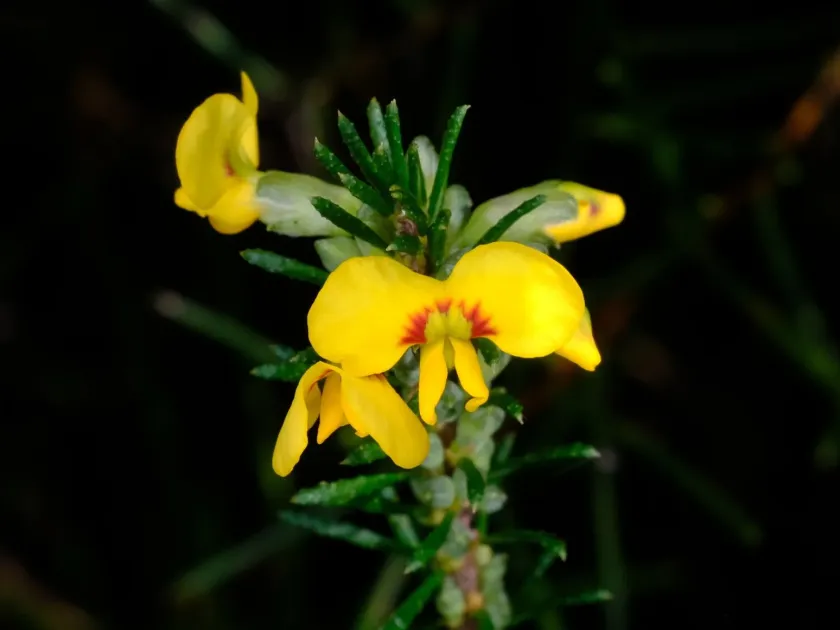
Description
Growing requirements
Dillwynia floribunda, commonly known as the parrot pea, is a resilient evergreen shrub belonging to the Fabaceae family. Originating from the diverse landscapes of Australia, it is prized in horticulture for its dense growth habit and profuse yellow-orange blooms.
The cultural requirements of this species focus heavily on drainage. It thrives in well-draining, sandy-loam soils that mirror its native habitat. The plant is sensitive to waterlogged conditions, which necessitates the selection of sloped or elevated planting sites.
Regarding climate, this shrub prefers regions with mild winters and sunny exposures. While it can tolerate partial shade, maximum flowering intensity is typically observed in full sunlight. Providing protection from strong, desiccating winds is beneficial for preserving foliage health.
Agronomic management involves minimal intervention. It does not require intensive fertilization, as it is well-adapted to nutrient-poor soils. Mulching around the base of the plant is recommended to retain appropriate moisture levels and to suppress the growth of competitive weeds.
The primary utility of Dillwynia floribunda is decorative. It serves as a staple in native gardens and xeriscaping projects, offering both aesthetic appeal and support for local pollinators during its active flowering season, which usually occurs throughout the spring.
Main diseases and pests
The most significant threat to the health of this species is root rot, caused primarily by Phytophthora or other water-borne fungi. To prevent this, strict adherence to irrigation schedules is required, ensuring that the root zone is never left in a state of saturation.
Insect pests such as aphids and scale insects are known to infest the young stems and foliage. These pests thrive in stagnant air conditions, extracting sap and potentially weakening the overall structure of the shrub if left untreated for extended periods.
Management of these pests often involves the use of horticultural oils or insecticidal soaps. These treatments effectively target the pests while maintaining the integrity of the surrounding ecosystem and protecting beneficial predatory insects present in the garden.
Proper pruning practices are essential for disease prevention. By thinning out the canopy annually, gardeners can ensure better airflow and light penetration, which significantly reduces the humidity levels that fungal pathogens need to colonize the plant.
Monitoring for signs of stress, such as leaf chlorosis or premature wilting, is vital for timely intervention. By maintaining soil health and observing proper spacing guidelines, cultivators can successfully mitigate most biological risks associated with this ornamental legume.