
Dillwynia glaberrima
Dillwynia glaberrima
Description
Growing requirements
Dillwynia glaberrima, commonly known as the smooth parrot pea, is a resilient shrub belonging to the Fabaceae family. Native to the diverse landscapes of Australia, this species is well-adapted to coastal heaths and dry sclerophyll forests, thriving in regions that experience varied seasonal temperatures.
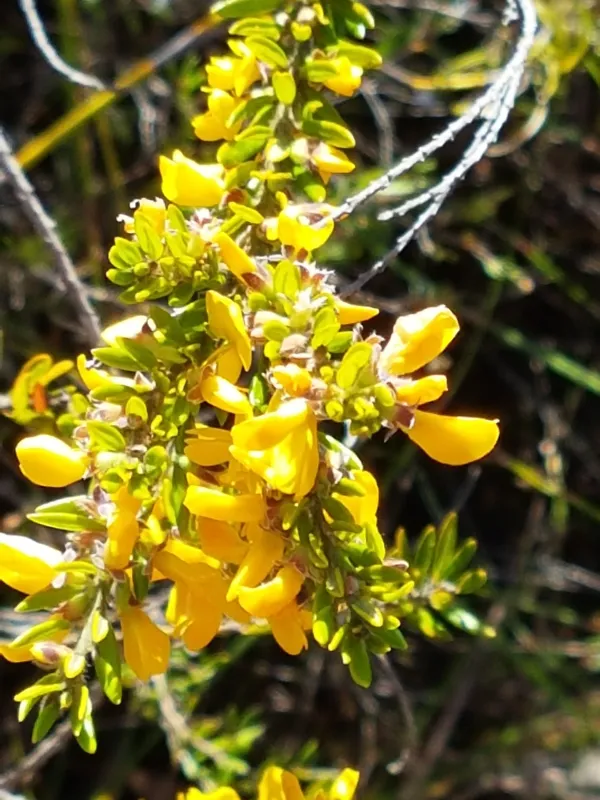
The plant features slender, glabrous stems and narrow, linear leaves that create a delicate, fine-textured appearance. Its most striking feature is the abundant display of bright yellow to orange-yellow flowers, which typically bloom during the late winter and spring months, providing a vibrant contrast against the foliage.
Regarding soil requirements, this species flourishes in well-drained, sandy, or gravelly soils. It possesses a high tolerance for low-nutrient environments, making it an excellent candidate for sustainable landscaping where high-input maintenance is not feasible or desired.
For successful cultivation, adequate sunlight is crucial. The plant performs best in full sun or light shade, which prevents the stems from becoming sparse or spindly. While established plants are relatively drought-tolerant, supplemental irrigation during the initial establishment phase is highly recommended to encourage deep root system development.
Horticultural use of Dillwynia glaberrima is primarily centered on native garden restoration and biodiversity projects. Due to its nitrogen-fixing capabilities and modest water requirements, it is increasingly valued as an eco-friendly shrub that supports local pollinator populations while remaining aesthetically pleasing.
Main diseases and pests
The primary threats to the health of Dillwynia glaberrima include fungal pathogens, such as Phytophthora root rot, which are often triggered by poor soil drainage. Additionally, pests such as scale insects and spider mites can occasionally affect the plant, particularly if it is grown in stressed, overcrowded, or poorly ventilated conditions.