
Dillwynia sericea
Dillwynia sericea
Description
Growing requirements
Dillwynia sericea, commonly known as silky dillwynia, is a perennial shrub belonging to the Fabaceae family. It is a plant native to Australia, found primarily in diverse habitats across the continent, ranging from woodlands to heathlands.
The crop requires well-draining soils to thrive, as it is highly susceptible to root decay when exposed to waterlogged conditions. It is specifically adapted to nutrient-poor soils, relying on symbiotic nitrogen-fixing bacteria to fulfill its nutritional requirements.
Optimal growth conditions involve exposure to full sunlight and a climate that avoids extreme frost. The plant is remarkably resilient to dry spells once it has established a mature root system, making it suitable for xeriscaping.
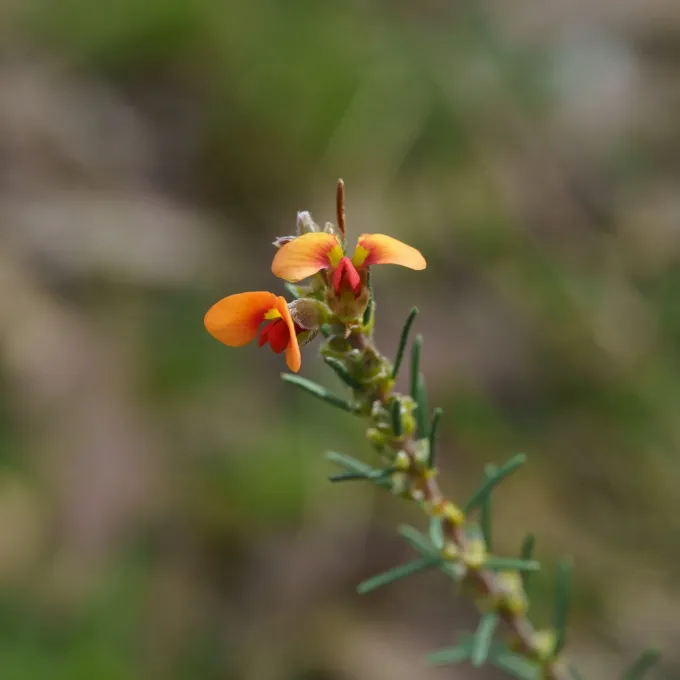
Botanical features include delicate, narrow leaves covered in fine, silky hairs, which give the foliage a characteristic shimmering appearance. The shrub typically grows as a dense, low-spreading bush, producing vibrant yellow-orange pea-shaped flowers.
The main agricultural and horticultural application is for ornamental planting. Its ecological importance is also significant, as it provides a crucial source of nectar for native insects and contributes to soil health through nitrogen fixation.
Main diseases and pests
The primary threats to Dillwynia sericea are root pathogens such as Phytophthora, which thrive in poorly drained soils. Over-watering remains the most critical error in the cultivation of this species, often leading to rapid decline.
Common pests include aphids, which tend to congregate on the tender tips of new shoots. Their feeding can cause foliage stunting and predispose the plant to secondary fungal infections due to honeydew secretion.
Effective management requires strict adherence to irrigation schedules and ensuring that the planting site has excellent drainage capabilities. Monitoring for signs of wilting is essential for early intervention.
Sanitation practices, such as pruning away dead or dying branches, are vital for reducing the inoculum density of fungal spores within the growing area.
Chemical intervention should be considered a last resort, as the plant may exhibit phytotoxicity when exposed to certain synthetic pesticides and fertilizers designed for more intensive agricultural crops.