
Digitaria villosa
Digitaria villosa
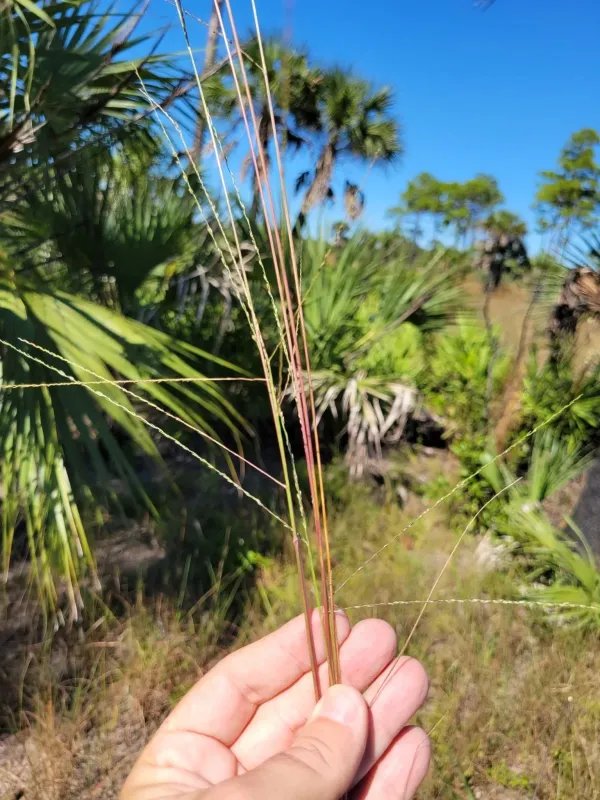
Description
Sowing dates
Digitaria villosa is a warm-season grass that thrives when soil temperatures consistently reach at least 15 to 18 degrees Celsius.
Seeding should be performed in late spring to ensure that the seedlings establish themselves before the onset of extreme summer heat.
Shallow planting at a depth of approximately 1 to 2 centimeters is crucial due to the small size and low energy reserves of the seeds.
Adequate moisture immediately following sowing is essential for achieving high germination rates and uniform crop density.
Careful seedbed preparation is recommended to ensure optimal contact between the soil and the seeds, promoting rapid and even emergence.
Growing requirements
As a member of the Poaceae family, this crop adapts well to a variety of environmental conditions but prefers sunny and open locations.
It performs exceptionally well in well-drained, sandy or loamy soils, where the rapid root development is not impeded by waterlogging.
The plant requires moderate fertility and is responsive to nitrogen fertilization, which significantly boosts vegetative biomass production.
Soil pH ranging from slightly acidic to neutral provides the most favorable chemical environment for nutrient uptake and overall growth.
While the species is relatively drought-tolerant once established, supplemental irrigation during prolonged dry spells can improve final yield.
Yield
High biomass production makes this species a viable option for supplemental forage in regions characterized by hot and humid climates.
Yield potential is maximized by implementing appropriate plant spacing and maintaining consistent soil fertility throughout the season.
The plant's ability to regrow rapidly after cutting allows for multiple harvests within a single growing cycle if conditions remain favorable.
Strategic management of harvest intervals is necessary to balance the total quantity of biomass with the nutritional quality of the forage.
Proper nutrient management, particularly timely nitrogen application, plays a pivotal role in achieving peak dry matter accumulation.
Main diseases and pests
The crop is susceptible to common cereal diseases, such as various rusts and leaf spots, especially during periods of high humidity.
Insect pests, including cereal aphids and stem-boring flies, may pose a risk to young plants and can reduce overall forage palatability.
Integrated pest management strategies, including monitoring and biological control, are recommended to protect the integrity of the crop.
Root rot pathogens may become problematic in poorly drained soils, leading to significant stand thinning and yield reduction.
Maintaining a diverse crop rotation is a highly effective cultural practice to suppress the buildup of soil-borne pathogens and pests.
Harvesting
Forage harvesting should ideally occur just before the reproductive stage to ensure the highest protein content and digestibility.
Mechanical harvesting using standard mowing equipment is efficient, provided the ground is sufficiently firm to support machinery.
Quick drying after cutting is essential for high-quality hay production, especially in humid environments where spoilage risk is elevated.
For seed production purposes, timing must be precise to avoid excessive shatter loss, which is common in many grass species.
Effective post-harvest management, such as baling or ensiling, helps preserve the nutritional value for livestock winter feeding programs.