
Digitaria aequiglumis
Digitaria aequiglumis
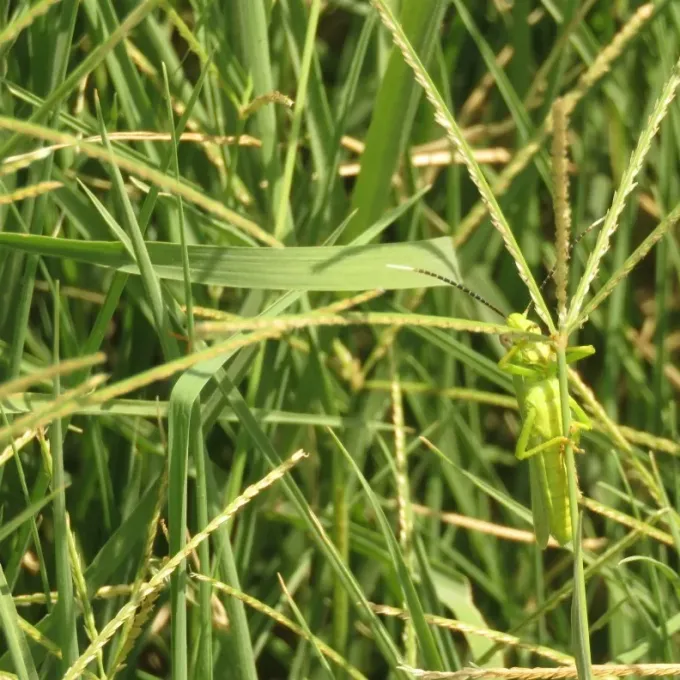
Description
Sowing dates
Digitaria aequiglumis is a perennial grass species belonging to the Poaceae family. Known for its adaptability, this grass is increasingly recognized for its potential in creating robust pasture lands in regions with suitable climatic conditions.
Sowing should be performed during the early growing season when soil temperatures are sufficiently warm to support rapid germination. Because the seeds are small, they require a firm and well-prepared seedbed to ensure optimal contact with the soil.
The recommended seeding depth is shallow, usually around 1 to 2 centimeters. Proper spacing between rows is essential to prevent overcrowding and to allow each plant enough space for root development and vegetative spread.
Field preparation must focus on achieving a fine tilth and maintaining weed-free conditions during the initial establishment phase. Effective weed control early on is critical, as young plants may struggle to compete with more aggressive pioneer species.
Once established, the grass forms a dense sod that serves as a protective layer for the soil, reducing erosion and providing a sustainable foundation for long-term agricultural use. Proper irrigation after planting helps ensure uniform emergence.
Growing requirements
This grass thrives in a variety of soil types but demonstrates peak performance on well-drained loamy soils. It has shown a high degree of tolerance to temporary waterlogging, making it suitable for lower-lying areas that might be unsuitable for other crops.
Climatic requirements involve a long, warm growing season. The plant is well-adapted to subtropical regions where it benefits from high solar radiation and consistent moisture levels during the peak growth months.
While Digitaria aequiglumis is moderately drought-tolerant due to its extensive root system, supplemental watering during prolonged dry spells significantly boosts its biomass production. Consistent moisture is especially important during the tillering stage.
The ideal pH range for this species is neutral to slightly acidic. Regular application of nitrogen-based fertilizers, especially after grazing, stimulates rapid regrowth and helps maintain high nutritional quality of the forage.
Sun exposure is a vital environmental factor. For optimal health and density, the grass should be grown in open, sun-drenched locations, as excessive shading can cause the plants to become spindly and reduce their overall productivity.
Yield
The yield of Digitaria aequiglumis is largely dependent on the management practices applied to the pasture. Under optimal fertility and moisture regimes, the crop provides multiple harvests per season, making it a highly reliable forage source.
Grazing management is crucial for maintaining yield. Rotational grazing allows the grass to recover and store energy in its root system, which significantly extends the lifespan of the stand and ensures high nutritional density in subsequent regrowth.
For seed production, the crop should be monitored closely during the ripening phase. Harvesting should occur when the inflorescences are mature but before widespread shattering happens, which can lead to significant yield losses in the field.
The nutritional profile of this grass is favorable, offering a good balance of protein and digestible fiber. This makes it an excellent choice for feeding livestock, including cattle and sheep, throughout the grazing season.
Long-term productivity is supported by periodic soil testing and corrective fertilization. Keeping the plants in a vegetative state through proper timing of harvests or grazing prevents the crop from becoming overly lignified and less palatable.
Main diseases and pests
Common plant diseases affecting this species include various fungal pathogens such as rusts and powdery mildew, which thrive in conditions of high humidity and poor air circulation. Managing stand density is key to preventing these outbreaks.
Insect pests, including armyworms and various grass-feeding larvae, can cause substantial damage to the foliage. Monitoring programs are essential to detect infestations early and allow for targeted control measures when necessary.
Root rots can become an issue if drainage is poor or if the same area is cropped repeatedly without adequate rotation. Maintaining soil health and promoting beneficial soil microbiota can help mitigate these risks naturally.
Nematode pressure is a potential threat, particularly in lighter, sandy soils. Proper cultural practices, such as crop rotation and the selection of healthy planting material, are the primary methods for managing these soil-borne pests.
An integrated pest management (IPM) approach remains the most effective strategy. By combining biological, cultural, and chemical controls, farmers can protect the grass yield while minimizing environmental impact on the pasture ecosystem.