
Digitaria argillacea
Digitaria argillacea
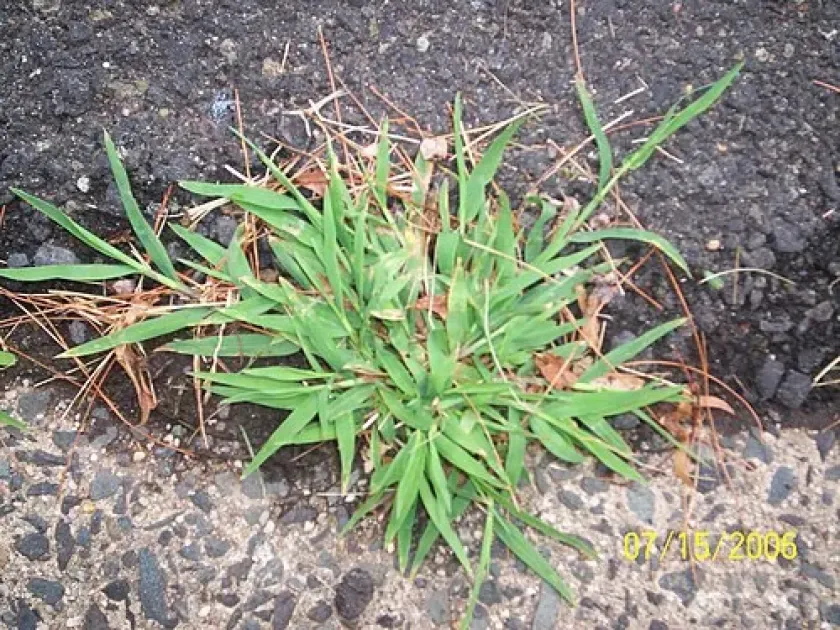
Description
Sowing dates
Digitaria argillacea is an annual grass species belonging to the Poaceae family. In agricultural systems, it is recognized for its adaptability to specific soil conditions and potential as a forage resource in tropical regions.
Sowing times are generally dictated by the onset of the rainy season, as the plant requires adequate soil moisture for successful germination. Optimal temperatures for emergence are typically above 20°C.
Seeds are sown shallowly, often broadcast or drilled at a depth of 1–2 centimeters. Maintaining consistent surface moisture for the first two weeks is crucial for establishing a healthy, vigorous seedling population.
To ensure a robust sward that effectively competes with weeds, appropriate seeding rates are required. Dense stands are often preferred when the grass is intended for direct grazing or forage production.
The plant exhibits a high regrowth rate, making it an excellent candidate for intensive rotational grazing systems. This biological efficiency is a key reason for its continued interest in livestock management.
Growing requirements
The species is well-adapted to clay and loamy soils, which reflects its scientific name. It thrives in soils that may present challenges for other grass species, demonstrating high resilience in heavier textures.
This grass is sun-demanding and performs poorly under shade. Fields intended for its cultivation should be open and free from obstruction to maximize photosynthetic efficiency and biomass production.
While the plant tolerates moderate moisture, it requires well-drained conditions to avoid root suffocation. It is relatively resistant to short-term waterlogging, which is a common occurrence on heavy clay soils.
Temperature plays a vital role in its development, with an optimal range between 25°C and 32°C. Growth significantly slows down when temperatures drop below 15°C, limiting its production to warmer seasons.
Management practices should include nitrogen fertilization to promote tillering and biomass yield. Maintaining a balanced fertility program ensures the long-term productivity of the pasture or meadow.
Main diseases and pests
Fungal pathogens such as rust and leaf spot are the primary health risks, especially during periods of high humidity and poor ventilation. Regular field scouting is necessary to identify early symptoms.
Insect pests, including aphids, can cause significant damage to young shoots during the early stages of growth. Integrated pest management, favoring natural predators, is recommended for forage fields.
Weed competition is most critical in the seedling establishment phase. Using certified, weed-free seeds is the most effective way to prevent the introduction of invasive species into the field.
Physical damage from overgrazing can lead to soil compaction and increase susceptibility to secondary infections. Implementing a rotational grazing schedule protects the plant base and prevents excessive thinning.
In cases of severe infestation, targeted insecticide applications may be used. However, it is essential to adhere to safety intervals regarding harvest and grazing to ensure the safety of the livestock.
Harvesting
Harvesting for hay or green fodder should take place at the early flowering stage. This timing captures the highest nutritional value, particularly protein content, before the stems begin to lignify.
When producing hay, mechanical conditioning is often used to accelerate the drying process. Rapid moisture removal is essential to maintain the quality and prevent spoilage or mold development during storage.
If managed as a pasture, rotational grazing is highly advised to allow for adequate recovery periods. This practice extends the lifespan of the stand and maximizes the total biomass available for consumption.
Seed harvesting should be performed as the spikes reach maturity, just before natural shattering occurs. Harvested seeds must be dried to a moisture content of approximately 12-14% for storage.
Stored hay must be kept in well-ventilated, dry areas to preserve its nutritional characteristics. Protection from moisture and rodents is essential for maintaining fodder quality throughout the winter months.