
Digitaria abludens
Digitaria abludens
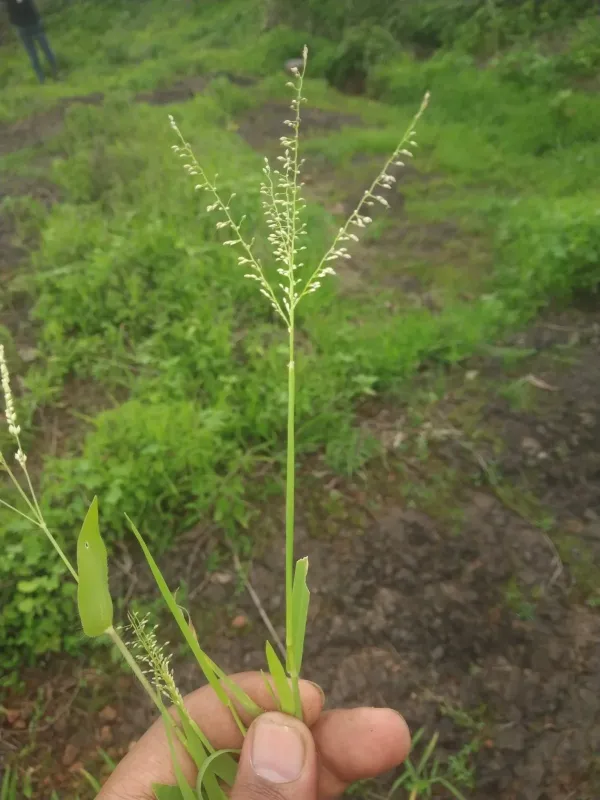
Description
Sowing dates
Digitaria abludens is an annual grass species belonging to the Poaceae family. It is known for its ability to thrive in warm, open environments and is often found in grassland ecosystems.
The optimal planting time occurs when the soil has reached consistent warmth, typically during late spring or early summer, ensuring successful germination of the seeds.
Due to the small size of the seeds, they should be sown at a shallow depth, requiring minimal covering to allow sufficient light penetration for the seedlings.
The sowing density must be carefully managed to ensure that each plant has enough space to develop its root system and produce a high-quality biomass.
Good soil contact is essential during sowing, which can be achieved through light rolling after the seeds have been spread, promoting uniform and rapid germination.
Growing requirements
This crop prefers light, sandy to loamy soils with excellent drainage. It is highly intolerant of waterlogged conditions, which can inhibit its root respiration and growth.
Digitaria abludens requires full sun exposure to achieve its maximum potential. It is highly sensitive to shading, which significantly reduces the quality and quantity of the harvest.
As a heat-loving plant, it demonstrates excellent drought tolerance once established, making it suitable for areas that experience long, dry summer seasons.
Soil nutrient requirements are generally low, but supplemental nitrogen can boost vegetative growth in the early stages, leading to a higher overall yield.
The species adapts well to a range of soil pH levels, but it performs optimally in soils that are slightly acidic to neutral in their chemical composition.
Yield
The biomass yield of Digitaria abludens is highly dependent on nitrogen availability and moisture levels during the peak vegetative stage of the plant.
When used as a forage crop, it provides nutritious greens for livestock, particularly when harvested before the onset of full seed maturation.
The yield can be maximized through a managed grazing system or a rotational cutting schedule that keeps the plants in a vegetative state for longer.
Seed yield is secondary but can be substantial if the harvest is timed correctly before the natural shattering of the seeds occurs in the inflorescence.
Total dry matter production is typically high compared to other annual grasses under similarly dry conditions, making it an economically viable choice for marginal lands.
Main diseases and pests
The main threats to this plant are fungal infections, such as rusts and smuts, especially if the plants are grown in high-humidity areas with poor air circulation.
Insect pests, including various aphids and grasshoppers, can cause significant damage to the leaves and developing inflorescences if populations are not controlled.
Preventative measures like crop rotation and maintaining proper plant spacing are crucial for reducing the pressure of pests and diseases in the field.
Environmental stress, such as sudden frost, can weaken the plant and make it more susceptible to opportunistic pathogens that would otherwise be harmless.
In cases of heavy infestation, integrated pest management practices should be followed to protect the biomass while minimizing environmental impacts.
Harvesting
Harvesting for forage should occur during the pre-flowering phase to ensure that the plant retains the highest concentration of proteins and essential minerals.
Mechanical harvesting with a disc mower is standard practice, followed by rapid curing in the field to preserve the green quality of the resulting hay.
For seed production, the inflorescences should be collected as soon as they reach maturity, using combines equipped with fine-tuning for small-seeded crops.
The harvest strategy must account for the specific climate conditions to avoid grain spoilage or excessive moisture within the stacked forage bales.
Proper storage in dry, well-ventilated structures is necessary to maintain the quality of the harvested material throughout the winter storage period.