
Digitaria abyssinica
Digitaria abyssinica
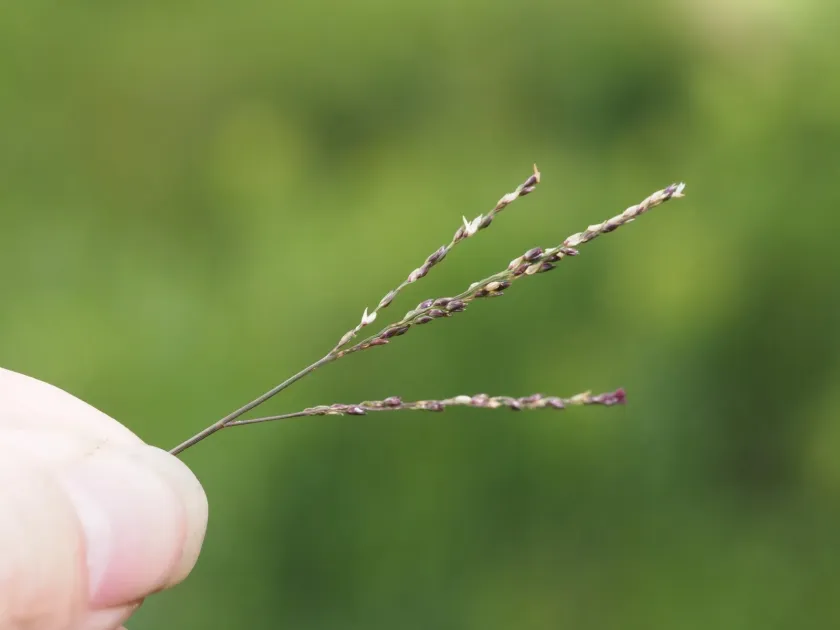
Description
Growing requirements
Digitaria abyssinica prefers well-drained, fertile soils with a neutral to slightly acidic pH level. The plant demonstrates excellent responsiveness to moderate rainfall, yet it is capable of enduring temporary drought periods thanks to the depth of its root system.
Optimal development requires an average annual temperature range of +18 to +25 degrees Celsius. A critical condition is the absence of prolonged frosts, as the grass is sensitive to low temperatures, which can slow its growth and lead to the senescence of the above-ground biomass.
The species is photophilous, meaning that the most productive stands are formed in open, unshaded areas. When cultivated for pastures, it is recommended to maintain a specific planting density to minimize competition from weeds during the early stages of establishment.
In the highlands of East Africa, the plant is frequently found at altitudes ranging from 1000 to 2500 meters above sea level. Such conditions provide the necessary day-night temperature variation that promotes the accumulation of essential nutrients within the plant's vegetative mass.
To maintain soil fertility when cultivating Digitaria abyssinica, the application of balanced nitrogen-phosphorus fertilizers may be required. However, in many cases, it successfully extracts nutrients from natural substrates, making it an economically viable option for smaller farm holdings.
Main diseases and pests
The primary threats to Digitaria abyssinica include fungal diseases specific to tropical grasses, such as leaf rust, which can significantly reduce forage yield. Infection by pathogens most commonly occurs during periods of high humidity and stagnant air circulation.
Among pests, larvae of soil-dwelling insects pose the greatest danger as they damage the rhizomes, disrupting nutrient uptake and the growth of new shoots. Damage by locusts is also possible, as these pests can rapidly destroy large portions of grazing cover.
Improper grazing management is another significant risk factor; overgrazing leads to the exhaustion of rhizomes and subsequent degradation of the stand. It is crucial to implement rotational grazing to provide the plants with sufficient time to regenerate their root systems after each usage cycle.
Competition from invasive plant species can lead to the displacement of Digitaria if timely mechanical site clearing is not conducted. Certain weed species are capable of intercepting moisture and soil nutrients, thereby reducing the overall productivity of the grass cover.
To manage diseases, it is recommended to use pathogen-resistant ecotypes and strictly adhere to agronomic best practices. In commercial-scale operations, the use of specialized fungicides is permissible, although the main focus remains on preventive methods to maintain the health and vigor of the pasture stand.